Can High Protein Diets Reduce Testosterone?

What Does This Study Mean For You?

Author: Dr. Stephen Chaney

protein foodsProtein is in the news. Recent studies have shown that our need for protein increases as we age. And the latest USDA Dietary Guidelines are telling us that all of us should substantially increase our protein intake.

When you add protein to the diet, you need to remove something. So, many of these diets are lower in carbohydrate. And many people are choosing the high protein versions of low carb diets for “health” reasons. For example:

  • High protein, low carb diets have become popular for weight loss.
  • And in our society, high protein diets are considered a good thing. We associate protein consumption with strength, energy, and virility. So, many athletes also include high protein, low carb diets as part of their training regimen.

Are high protein, low carb diets the best choice? Perhaps not, if the latest study is correct. This study (J Whittaker and M Harris, Nutrition And Health, 1-12, March 2022) claims that high protein, low carb diets decrease testosterone levels.

So, you are probably wondering, “Is this claim accurate?” To answer this question, I will evaluate the study and put it into perspective for you.

How Was This Study Done?

clinical studyThis study was a meta-analysis of 27 studies with a total of 309 participants looking at the effect of low carb diets on cortisol and testosterone levels. The participants were young (average age = 27.3), healthy, non-obese (BMI = 24.8), active males.

The selection criteria for studies included in the meta-analysis were:

  • Measurements of resting and post-exercise cortisol and testosterone levels. For simplicity, I will focus only on the testosterone results for this discussion.
  • Young, healthy male participants to minimize variation in steroid hormone metabolism due to age, sex, or disease.
  • Comparison of a low carb, high protein (average = 18% carb, 49% protein) and high carb, moderate protein diets (average = 58% carbohydrate, 23% protein).
  • Elimination of studies containing confounding variables that might affect steroid hormone metabolism such as:
    • Weight change of more than 6 pounds
    • Use of hormones, phytoestrogens, or medications.

In analyzing the data, they also compared:

  • Duration of <3 weeks or longer because it takes about 3 weeks for the body to fully adapt to ketone body utilization.
  • Moderate protein (average intake = 23.1% of calories) versus high protein (average intake = 48.8% of calories) intake. [Note: For comparison, the average protein intake for adults in this country is ~16%, with some experts recommending 17-21% to prevent weight loss as we age.] 

Can High Protein Diets Reduce Testosterone?

ProfessorThis study looked at the effect of low carb, high protein diets on both resting and post-exercise testosterone levels.

  • Moderate protein (23% of calories), high carb diets had no consistent effect on either resting or post-exercise testosterone levels.
  • However, high protein, low carb diets reduced both resting and post-exercise testosterone levels.
  • The effect on resting testosterone was highly significant. High-protein, low carb diets caused a 37% decrease in resting testosterone levels.
  • The effect on post-exercise testosterone was smaller, but still significant.

In the words of the authors, “High-protein, low carb diets greatly decreased resting and post-exercise total testosterone…Individuals consuming such diets may need to be cautious about adverse endocrine effects.”

Is There A Good Metabolic Rationale For These Results?

Question MarkAs a biochemist, I always like to look at whether there is a metabolic rationale for the results. And there is a good metabolic rationale for the effect of high protein diets on testosterone levels:

  • When protein is metabolized ammonia is released, and excess ammonia is toxic.
  • To combat ammonia toxicity the body has a metabolic pathway called the urea cycle. It removes ammonia from the bloodstream and converts it to urea, which is excreted in the urine.
  • The ability of the urea cycle to remove ammonia from the bloodstream is limited. High protein intakes can overwhelm the ability of the urea cycle to remove ammonia. This typically occurs when protein intake exceeds 35% of calories.
  • In situations like this, the body produces cortisol, and cortisol upregulates the urea cycle so it can handle the excess ammonia.
  • For reasons that aren’t entirely clear, cortisol and testosterone are regulated oppositely. Whenever cortisol goes up, testosterone goes down.

To be clear, I am not saying this is what is happening. I am merely saying this is a plausible mechanism for explaining the fall in testosterone levels on a high protein diet, and many popular low carb diets are also high protein diets.

It could equally well represent a side effect of long-term ketosis. Ketosis was meant as a survival mechanism for short-term starvation. We have no idea what the potential effects of long-term ketosis might be.

What Does This Study Mean For You?

ConfusionIn previous articles in “Health Tips From the Professor” I have expressed skepticism about studies that have excellent experimental design but do not have a plausible metabolic rationale.

This week’s study is the opposite. It has an excellent metabolic rationale, but the study is weak. Specifically, the meta-analysis only included 309 subjects, and several of the individual studies included in the meta-analysis were weak.

The authors considered this as a hypothesis-generating study. The authors went on to say this study shows where we should focus our attention in future studies, namely on the possible health consequences of high protein, low carb diets.

I agree. I am not ready to tell you unequivocally that high protein, low carb diets will lower your testosterone levels.

However, if you are consuming a high protein, low carb diet for either weight loss or because you are a body builder or weightlifter, this study is a potential red flag. It is not a definitive study, but the results are metabolically plausible. They might just be true.

You should also keep in mind that all the “benefits” of high protein, low carb diets are based on short-term studies. There are no long-term studies on the benefits and risks of high protein, low carb diets. There is also no historical precedent for life-long adherence to a high protein, low carb diet.

  • We are omnivores. Our ancestors ate whatever nature provided. There were times when our paleolithic ancestors ate high protein, low carb meals, but it is unlikely any of them had the luxury of eating that way for a lifetime. That is a 21st century luxury.
  • If you plan to consume a high protein, low carb diet for an extended period, you are part of an uncontrolled experiment with an uncertain outcome.

In case you were wondering whether this applies to any high protein (>35% of calories from protein), diet which exceeds the ability of the urea cyclic to remove a toxic byproduct of protein metabolism, the answer is “We don’t know”. However, the typical American diet is around 55% carbohydrate and 20-35% fat. It would be extremely difficult to exceed 35% protein without significantly reducing carbohydrate intake. 

The Bottom Line

A recent study looked at the effect of high protein, low carb diets on testosterone levels. It found:

  • Moderate protein, high carb diets, like the typical American diet, had no consistent effect on either resting or post-exercise testosterone levels.
  • However, high protein, low carb diets reduced both resting and post-exercise testosterone levels.
  • The effect on resting testosterone was highly significant. High-protein, low carb diets caused a 37% decrease in resting testosterone levels.
  • The effect on post-exercise testosterone was smaller, but still significant.

In the words of the authors, “High-protein, low carb diets greatly decreased resting and post-exercise total testosterone…Individuals consuming such diets may need to be cautious about adverse endocrine effects.”

I am not ready to tell you unequivocally that high protein, low carb diets will lower your testosterone levels.

However, if you are consuming a high protein, low carb diet for either weight loss or because you are a body builder or weightlifter, this study is a potential red flag. It is not a definitive study, but the results are metabolically plausible. They might just be true.

You should also keep in mind that all the “benefits” of high protein, low carb diets are based on short-term studies. There are no long-term studies on the benefits and risks of high protein, low carb diets. There is also no historical precedent for life-long adherence to a high protein, low carb diet.

If you plan to consume a high protein, low carb diet for an extended period, you are part of an uncontrolled experiment with an uncertain outcome.

For more details, read the article above.

These statements have not been evaluated by the Food and Drug Administration. This information is not intended to diagnose, treat, cure or prevent any disease.

_____________________________________________________________________________

My posts and “Health Tips From the Professor” articles carefully avoid claims about any brand of supplement or manufacturer of supplements. However, I am often asked by representatives of supplement companies if they can share them with their customers.

My answer is, “Yes, as long as you share only the article without any additions or alterations. In particular, you should avoid adding any mention of your company or your company’s products. If you were to do that, you could be making what the FTC and FDA consider a “misleading health claim” that could result in legal action against you and the company you represent.

For more detail about FTC regulations for health claims, see this link.

https://www.ftc.gov/business-guidance/resources/health-products-compliance-guidance

 ______________________________________________________________________

About The Author 

Dr. Chaney has a BS in Chemistry from Duke University and a PhD in Biochemistry from UCLA. He is Professor Emeritus from the University of North Carolina where he taught biochemistry and nutrition to medical and dental students for 40 years.  Dr. Chaney won numerous teaching awards at UNC, including the Academy of Educators “Excellence in Teaching Lifetime Achievement Award”. Dr Chaney also ran an active cancer research program at UNC and published over 100 scientific articles and reviews in peer-reviewed scientific journals. In addition, he authored two chapters on nutrition in one of the leading biochemistry textbooks for medical students.

Since retiring from the University of North Carolina, he has been writing a weekly health blog called “Health Tips From the Professor”. He has also written two best-selling books, “Slaying the Food Myths” and “Slaying the Supplement Myths”. And most recently he has created an online lifestyle change course, “Create Your Personal Health Zone”. For more information visit https://chaneyhealth.com.

For the past 53 years Dr. Chaney and his wife Suzanne have been helping people improve their health holistically through a combination of good diet, exercise, weight control and appropriate supplementation.


The Creatine Safety Myth

Why Are Placebo Controls Important?

Author: Dr. Stephen Chaney 

The FDA considers creatine monohydrate as GRAS (Generally Recognized as Safe). The International Society For Sports Nutrition, the International Olympic Committee, the NCAA, and professional sports associations all consider creatine to be safe, effective, and legal.

So, why do you keep hearing things on social media like:

  • “Creatine stresses your kidneys. It can damage your kidneys.”
  • “Creatine causes muscle cramping. It can damage your muscles.”
  • “Creatine causes dehydration and heat intolerance. It can cause heat stroke and seizures.”
  • “Creatine causes bloating, nausea, stomachaches, and diarrhea. You will feel terrible.”
  • “Creatine causes you to gain weight. It will make you fat.”

So, the question becomes, are the government and sports authorities lying to us, or are the reports of creatine dangers simply food myths?”

To answer this question a group of sports nutrition experts recently conducted a comprehensive review of all previous placebo-controlled studies of creatine side effects (DE Gonzalez et al, Sports, 14, 137, 2026).

danger symbolIn the words of the authors, “Collectively, the available evidence does not support many of the negative claims commonly attributed to the use of creatine monohydrate; however, these myths and misconceptions continue to persist among the general public and have even influenced policy and legislative discussions…

…Accordingly, the purpose of the present analysis was to directly address these concerns by systematically evaluating whether total creatine monohydrate dose or duration predicts the likelihood of side effects, thereby providing a more granular and clinically relevant assessment of creatine monohydate safety.”

I was particularly interested in this study because, among other things, they looked at the dose dependence of creatine side effects – including doses as high as 38 g/day.

That was of interest to me because I had recently reviewed a study looking at the ability of creatine supplementation to clear up the brain fog associated with sleep deprivation.

That was information that might be useful for anyone who is suffering from sleep deprivation but can’t tolerate caffeine. However, the dose of creatine that was most effective at clearing up the brain fog associated with sleep deprivation was 20-30 grams depending on body weight. That’s much higher than the usual recommended dose of 5 g/day, and I wasn’t certain about the safety of such a high dose.

I was hoping that this study would answer that question for me. And it did.

How Was This Study Done?

clinical studyThe investigators used all available databases to search for creatine studies in humans that included a record of side effects and were placebo controlled. They excluded reviews and meta-analyses to avoid duplication.

They ended up with 684 randomized placebo-controlled clinical trials with 12,800 human subjects.

The dose of creatine monohydrate used in these studies ranged from 2 gm/day to 38 gm/day. And the duration of supplementation ranged from 3 days to 14 years. For both dose and duration, the studies were divided into thirds – a lower third, a middle third, and an upper third.

The investigators assessed the frequency of 35 possible side effects in each dose and duration category. Finally, the data were adjusted for biological sex, age, fitness level, and health status.

Does Creatine Cause Side Effects?

The results were as follows:

  • Reported side effects increased slightly with dose. When they looked at the percentage of side effects reported by participants in the upper third for dosage:
    • 16.4% of participants reported gastrointestinal issues (bloating, stomachache, or diarrhea).
    • 6.2% of participants reported musculoskeletal issues (mainly muscle cramps).
    • 4.9% of participants reported neurological issues (mainly headaches).
    • 4.0% of participants reported sleep, fatigue, or appetite issues.
    • All other side effects were reported by less than 1% of participants. Most notably, renal (kidney) and liver side effects were almost non-existent.
  • Reported side effects also increased slightly with duration. When they looked at the percentage of side effects reported by participants in the upper third for duration of supplementation:
    • 14.9% of participants reported gastrointestinal issues.
    • 5.6% of participants reported musculoskeletal issues.
    • 4.2% of participants reported neurological issues.
    • 2.8% of participants reported sleep, fatigue, or appetite issues.
    • All other side effects were reported by less than 1% of participants.

At first glance, you might look at these data and say, “Aha! There are side effects to creatine supplementation, especially when used at high doses or for a long time.”

But the authors of the study pointed out:

  • The reported side effects in these studies were mild and short-lived.
    • The side effects were reported by a small subset of individuals, and in these cases
    • The gastrointestinal issues can usually be avoided by dividing the creatine dosage into two or three smaller amounts spaced out throughout the day.
    • The musculoskeletal issues can usually be avoided by keeping adequately hydrated.
    • The sleep and fatigue issues can usually be avoided by taking the creatine earlier in the day.

placeboBut there was one other factor that negated any concern about creatine side effects. All these studies were placebo controlled, and side effects in the placebo group were the same or greater than in the creatine group!

The authors concluded, “These findings suggest that creatine supplementation is safe across a range of doses, durations, and populations according to human trials. While higher total doses and longer supplementation periods are associated with more side effects at the study level, the overall incidence remains low, with most effects being mild and nonspecific.

Furthermore, placebo groups often report similar or even higher rates of side effects. These results reinforce the consensus on creatine’s safety and add nuance by considering exposure levels and duration”

Why Are Placebo Controls Important?

Question MarkThis study illustrates the importance of placebo-controlled studies.

  • Some studies report amazing benefits associated with certain foods or supplements. But without placebo controls, they are worthless.
  • Other studies report terrifying side effects associated with certain foods or supplements. But without placebo controls, they are worthless.

You may be wondering why people taking a placebo would experience side effects. In the context of this study, the answer is obvious.

  • Most people experience some sort of gastrointestinal distress on an occasional basis.
  • Everyone who works out has days when they experience muscle cramps.
  • Most people experience nights when they have trouble falling asleep and/or wake up feeling fatigued.

And in clinical studies like the ones included in this review, they will be looking for those symptoms. That’s because medical ethics requires that study participants be informed of the purpose of the study and any side effects they might experience. Before being included in the study they will need to sign an “informed consent” form that lists possible side effects. And during the study, they may be given a form where they can check off any side effects they experience.

And if the informed consent and check off forms happen to miss any side effect, the participants need only to go to the internet to learn all the dreadful things that could happen to them if they were to take a creatine supplement.

The Creatine Safety Myth 

Myth BusterThe FDA and sports authorities were right all along. Creatine is safe and effective.

Yes, some individuals may experience mild side effects, but those can be avoided by dividing up the dose, staying adequately hydrated, and/or changing the timing of creatine supplementation.

In short, the reports of dreadful side effects from creatine are just another food myth.

You might ask, “Where do food myths like this come from?” I have written two books on food myths called “Slaying the Food Myths” and “Slaying the Supplement Myths”, so I am an expert on that topic.

The short answer is that it all starts when a misleading claim is posted online. It usually emphasizes miraculous cures or deadly dangers in a very compelling manner. It is often based on a personal testimony and often references poorly designed studies. For example, the study might report side effects of creatine supplementation without a placebo control to serve as a reference point.

Or the online post might be purposely misleading. As the authors of this study pointed out that, “Much of the misinformation about creatine comes from companies and influencers who are promoting different types of creatine as more effective than creatine monohydrate with fewer side effects.” They are purposely misleading you for financial gain.

The misleading information is repeated online by people who like conspiracy theories and don’t know how to distinguish between reliable and unreliable sources. Once it has been repeated often enough, it becomes generally recognized as true. It becomes a food myth.

And, unfortunately, AI, unless used carefully, answers your queries based on the number of times a statement occurs online rather than on the accuracy of the statement.

In the words of the authors of this study, “Based on the current evidence, creatine is one of the most well-studied and well-tolerated dietary supplements. No consistent or clinically meaningful dose-dependent increases in side-effect reporting were observed across models; even at higher doses and prolonged durations, reporting remained low and largely comparable to placebo at the study level.

This analysis affirms previous findings on the overall safety of creatine supplementation and suggests that high-dose or longer-duration supplementation is well-tolerated by both clinical and athletic users.”

The Bottom Line 

The FDA considers creatine monohydrate as GRAS (Generally Recognized as Safe). The International Society For Sports Nutrition, the International Olympic Committee, the NCAA, and professional sports associations all consider creatine to be safe, effective, and legal.

But online articles abound claiming that creatine supplementation has dangerous side effects. So, the question becomes, are the government and sports authorities lying to us, or are the reports of creatine dangers simply food myths?”

To answer this question a group of sports nutrition experts recently conducted a comprehensive review of all previous placebo-controlled studies of creatine side effects.

This review confirmed previous findings on the overall safety of creatine supplementation and found that even high-dose or longer-duration supplementation is well-tolerated by both clinical and athletic users.”

For more information on this study and what it means for you, read the article above.

These statements have not been evaluated by the Food and Drug Administration. This information is not intended to diagnose, treat, cure or prevent any disease.

 ___________________________________________________________________________

My posts and “Health Tips From the Professor” articles carefully avoid claims about any brand of supplement or manufacturer of supplements. However, I am often asked by representatives of supplement companies if they can share them with their customers.

My answer is, “Yes, as long as you share only the article without any additions or alterations. In particular, you should avoid adding any mention of your company or your company’s products. If you were to do that, you could be making what the FTC and FDA consider a “misleading health claim” that could result in legal action against you and the company you represent.

For more detail about FTC regulations for health claims, see this link.

https://www.ftc.gov/business-guidance/resources/health-products-compliance-guidance

______________________________________________________________________

About The Author 

Dr. Chaney has a BS in Chemistry from Duke University and a PhD in Biochemistry from UCLA. He is Professor Emeritus from the University of North Carolina where he taught biochemistry and nutrition to medical and dental students for 40 years.

Dr. Chaney won numerous teaching awards at UNC, including the Academy of Educators “Excellence in Teaching Lifetime Achievement Award”.

Dr Chaney also ran an active cancer research program at UNC and published over 100 scientific articles and reviews in peer-reviewed scientific journals. In addition, he authored two chapters on nutrition in one of the leading biochemistry text books for medical students.

Since retiring from the University of North Carolina, he has been writing a weekly health blog called “Health Tips From the Professor”. He has also written two best-selling books, “Slaying the Food Myths” and “Slaying the Supplement Myths”. And most recently he has created an online lifestyle change course, “Create Your Personal Health Zone”. For more information visit https://chaneyhealth.com.

For the past 54 years Dr. Chaney and his wife Suzanne have been helping people improve their health holistically through a combination of good diet, exercise, weight control and appropriate supplementation.

 

Does Meat Consumption Increase Disease Risk?

Is It Meat Or Something Else?

Author: Dr. Stephen Chaney 

ArgumentWe are told we should be consuming more protein. But where should we get our protein?

Meat is an obvious choice. But meat consumption is controversial. The arguments are intense.

There are those who claim that meat consumption, particularly red meat, increases our risk of cancer, heart disease, diabetes, and many other diseases. Others claim that meat has been maligned. It doesn’t increase disease risk. We should eat more of it, not less.

The problem is that both sides are basing their claims on published clinical studies. Studies on meat consumption and disease risk are all over the map.

I have covered this controversy in previous issues of “Health Tips From the Professor”. In attempting to make sense of the conflicting data I made the observation that studies showing meat consumption reduced disease risk tended to come from third world countries while studies showing meat consumption increased disease risk tended to come from high-income western countries.

So, my interest was peaked when I saw a very large study (K Papier et al, BMC Medicine,: 19:53, 2021) on meat consumption and disease risk in the UK.

How Was This Study Done?

clinical studyThe investigators used data from the UK Biobank Study, a study that recruited 503,317 young men and women throughout the UK between 2006 and 2010. Upon entry into the study participants completed questionnaires about physical data (height, weight, etc), biological data (blood sugar, cholesterol levels, etc.), and diet.

This particular study used data from a subset (474,985) participants who completed a 24-hour dietary recall questionnaire.

Participants were then linked to the National Health Service database to assess the first occurrence of the 25 leading non-cancerous causes of hospital admissions for each patient and followed for an average of 8 years.

Cancer admissions were excluded from this study because the International Agency for Research on Cancer (IARC), the cancer agency of the WHO, has already classified red meat as a probable carcinogen and processed meat as a likely carcinogen.

Does Meat Consumption Increase Disease Risk?

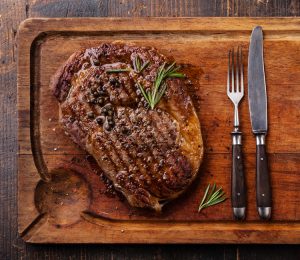
SteakThe investigators looked at four distinct categories of meat consumption (total meat, red meat, processed meat, and poultry) and the risk of 25 common diseases (excluding cancer). In each case, they divided meat consumption into quartiles and compared the disease risk for those in the highest quartile to those in the lowest quartile.

For the sake of simplicity, I will only report the most significant disease risks (those with p ≤001).

Total Meat Consumption (Lowest quartile = 1.2 oz/d; Highest quartile = 4.1 oz/d):

Disease Increased

Risk

Heart Disease 29%
Stroke 24%
Diverticular Disease 29%
Colon Polyps 14%
Diabetes 85%

Red Meat Consumption (Lowest quartile = 0.2 oz/d; Highest quartile = 2.0 oz/d):

Disease Increased

Risk

Heart Disease 25%
Stroke NS
Diverticular Disease 26%
Colon Polyps 11%
Diabetes 53%

Processed Meat Consumption (Lowest quartile = 0.15 oz/d; Highest quartile = 1.0 oz/d):

Disease Increased

Risk

Heart Disease 17%
Stroke 23%
Diverticular Disease 18%
Colon Polyps 11%
Diabetes 52%

Poultry Consumption (Lowest quartile = 1.2 oz/d; Highest quartile = 4.1 oz/d):

Disease Increased

Risk

Heart Disease 12%
Stroke NS
Diverticular Disease 18%
Colon Polyps 11%
Diabetes 32%
GERD 16%
Gastritis 10%

My evaluation of the data is:

  • These differences are highly significant (p <001) and the study size was very large (~475,000 participants), so the increased risk is probably true for a high-income Western country like the UK.
    • However, some of these differences are relatively small. It’s easy to understand how they might be missed in smaller studies.
    • Even increased risk in the 25-30% range might disappear in studies that combine data from high-income countries and third world countries.
    • With this perspective it is easy to understand why previous studies have been so confusing.
  • Because the investigators looked at the effect of each kind of meat separately, one can get a better idea of the relative contribution of each meat to various diseases [With, of course, the caveat that people who consume more red meat also tend to consume more processed meat and vice versa.] For example:
    • Red meat appears to contribute more to heart disease risk than processed meat or poultry – possibly due to its high saturated fat and cholesterol content.
    • Processed meat appears to contribute more to stroke risk than red meat or poultry – possibly due to added nitrates and other food additives.
    • All meats appear to contribute to diverticular disease – possibly due to a change in gut bacteria because meats replace plant foods in the diet.
  • The increased risk of GERD and gastritis associated with poultry consumption was surprising, but the increased risk was small.

The authors concluded, “Our findings from this large prospective study of British adults show that meat consumption is associated with higher risks of several common conditions but a lower risk of iron deficiency anemia…Additional research is needed to evaluate whether these differences in risk reflect causal relationships, and if so what proportion [of these outcomes] could be prevented by decreasing meat consumption.”

Is It Meat Or Something Else?

Question MarkOf course, the question, “Is it meat or something else in our diet that is causing the increased risk of disease?” One hint that something else might be contributing to disease risk came when the authors corrected the data for obesity. The results are shown below:

Total Meat Consumption Corrected For Obesity

Disease Increased

Risk

Corrected

For Obesity

Heart Disease 29% 17%
Stroke 24% 22%
Diverticular Disease 29% 18%
Colon Polyps 14% 10%
Diabetes 85% 33%

Red Meat Consumption Corrected For Obesity

Disease Increased

Risk

Corrected

For Obesity

Heart Disease 25% 16%
Stroke NS NS
Diverticular Disease 26% 17%
Colon Polyps 11% 8%
Diabetes 53% 21%

Processed Meat Consumption Corrected For Obesity

Disease Increased

Risk

Corrected

For Obesity

Heart Disease 17% 9%
Stroke 23% 17%
Diverticular Disease 18% 17%
Colon Polyps 11% 8%
Diabetes 52% 24%

Poultry Consumption Corrected For Obesity

Disease Increased

Risk

Corrected

For Obesity

Heart Disease 12% 8%
Stroke NS NS
Diverticular Disease 14% 10%
Colon Polyps 6% 7%
Diabetes 32% 14%
GERD 16% 17%
Gastritis 10% 12%

When corrected for obesity, the risk of:

  • Heart disease decreased by 33-47%.
  • Diverticular disease decreased by 23-38%.
  • Diabetes decreased by 54-61%.

But how do we interpret that? It would be easy to conclude that the influence of meat consumption on heart disease, diverticular disease, and diabetes is small. However, that’s not the real world. People aren’t meat eaters or overweight. In the real world, people are often meat eaters and overweight.

So, the important question to ask is why so many meat eaters are overweight.

  • It could simply be a question of calories. A serving of steak is around 680 calories, while a serving of beans is around 110 calories.
  • It could be what is eaten with the steak or beans. A medium baked potato with butter and sour cream adds 300-500 calories. A vegetable stir fry adds 170 calories.
  • It could be how we cook it. In our country over 50% of chicken we eat is fried. And to make matters worse, we often add French Fries and other highly processed foods to our fried chicken meal.

What Does This Study Mean For You?

confusionThis study shows that in a high-income western society like ours, meat consumption is likely to increase our risk of several diseases, For example:

  • Red meat is associated with increased risk of heart disease, diabetes, and diverticular disease.
  • Processed meat is associated with increased risk of stroke, diabetes, and diverticular disease.
  • Poultry consumption is associated with increased risk of diabetes and digestive diseases.
  • All three kinds of meat are associated with obesity.

While it is easy to blame meat consumption for all our ills, it may be how we cook it and what we eat along with it.

Perhaps we should eat our meat the way they do in Third World countries. Rather than eating it as a main course, perhaps we should use it as flavoring for a vegetable stir fry or a lentil stew.

The Bottom Line

A recent study looked at the association of meat consumption with disease risk in the UK. It found that:

  • Red meat is associated with increased risk of heart disease, diabetes, and diverticular disease.
  • Processed meat is associated with increased risk of stroke, diabetes, and diverticular disease.
  • Poultry consumption is associated with increased risk of diabetes and digestive diseases.
  • All three kinds of meat are associated with obesity.

For more information on this study and what it means for you, read the article above.

These statements have not been evaluated by the Food and Drug Administration. This information is not intended to diagnose, treat, cure or prevent any disease.

____________________________________________________________________________

My posts and “Health Tips From the Professor” articles carefully avoid claims about any brand of supplement or manufacturer of supplements. However, I am often asked by representatives of supplement companies if they can share them with their customers.

My answer is, “Yes, as long as you share only the article without any additions or alterations. In particular, you should avoid adding any mention of your company or your company’s products. If you were to do that, you could be making what the FTC and FDA consider a “misleading health claim” that could result in legal action against you and the company you represent.

For more detail about FTC regulations for health claims, see this link.

https://www.ftc.gov/business-guidance/resources/health-products-compliance-guidance

______________________________________________________________________

About The Author 

Dr. Chaney has a BS in Chemistry from Duke University and a PhD in Biochemistry from UCLA. He is Professor Emeritus from the University of North Carolina where he taught biochemistry and nutrition to medical and dental students for 40 years.  Dr. Chaney won numerous teaching awards at UNC, including the Academy of Educators “Excellence in Teaching Lifetime Achievement Award”. Dr Chaney also ran an active cancer research program at UNC and published over 100 scientific articles and reviews in peer-reviewed scientific journals. In addition, he authored two chapters on nutrition in one of the leading Biochemistry textbooks for medical students.

Since retiring from the University of North Carolina, he has been writing a weekly health blog called “Health Tips From the Professor”. He has also written two best-selling books, “Slaying the Food Myths” and “Slaying the Supplement Myths”. And most recently he has created an online lifestyle change course, “Create Your Personal Health Zone”. For more information visit https://chaneyhealth.com.

For the past 54 years Dr. Chaney and his wife Suzanne have been helping people improve their health holistically through a combination of good diet, exercise, weight control and appropriate supplementation.
Is Creatine Better Than Coffee For Sleep Deprivation?

The Effect Of Creatine On The Sleep-Deprived Brain 

Author: Dr. Stephen Chaney 

The role of creatine for muscle metabolism is well established. It has been used by athletes for years to optimize their exercise. It is both safe and effective for this purpose.

However, it’s use for optimizing brain function is more controversial. Clinical studies on this topic are conflicting. The problem is 3-fold:

  • Creatine does not cross the blood-brain barrier easily. So, the brain takes up creatine less efficiently than muscle.
  • Some people don’t need extra brain creatine. They make all they need.
  • There appears to be significant individual differences in the uptake of creatine into the brain and/or the effectiveness of creatine at improving brain function.

The authors of the article I am going to review summed up the existing research on creatine and brain function by saying:

  • Most healthy adults do not need extra creatine for brain function. Studies on healthy, non-stressed adults have typically shown no benefit of creatine supplementation.
  • However, there are several conditions that decrease brain creatine levels and/or increase brain energy needs, which creates a need for higher brain creatine levels. These conditions are:
    • Concussions and other forms of traumatic brain injury.
    • Alzheimer’s and other neurodegenerative diseases.
    • Hypoxia (reduced oxygen flow to the brain) caused by atherosclerotic narrowing of the carotid arteries, asthma, and COPD.
    • Depression.
    • Sleep deprivation.
  • Under these conditions, uptake of creatine into the brain appears to be enhanced, and creatine supplementation appears to improve brain function.

The authors of this study focused on sleep deprivation. Sleep deprivation differs from the other conditions listed above in that it is episodic rather than chronic. So, rather than using smaller doses daily, they tested the effect of a single, high dose administered during the sleep deprivation.

In a previous study they had shown that a very high dose of creatine was effective at increasing brain creatine levels by 5% and reducing the symptoms of sleep deprivation by 10-25%.

For this study (A Gordji-Nejad et al, Nutrients, 18: 192, 2026) they repeated their experiments using a lower dosage to determine whether the brain benefits of creatine during sleep deprivation are dose dependent.

What Is Creatine And What Does It Do?

confusionI have discussed this topic at depth in an article from a previous issue of “Health Tips From the Professor”, so I will give the Cliff Notes version here.

Creatine is a storage form of cellular energy.

  • In muscle the best analogy would be a car battery. When we start the car, the battery provides the initial energy to get the engine going. Then, when we are cruising down the highway the kinetic energy generated by the turning of the driveshaft is stored in the battery, so it is fully charged the next time we need to start the car.
  • In our muscles, creatine is the “battery” that provides the initial energy to get our muscles going. And when we are at rest, we recharge our creatine “battery”, so we are ready the next time we need to spring into action.
  • In our brain, our creatine “battery” provides the extra energy our brain needs when it is under stress due to any of the conditions listed above – including sleep deprivation.

In our car, eventually the battery wears out and needs to be replaced. Here the analogy breaks down. Creatine is constantly being converted to creatinine and flushed out of the body, so we need a constant supply of new creatine to keep our cellular creatine “batteries” charged.

  • Our muscles can’t make creatine, so they rely on creatine made by other tissues in the body, diets high in animal protein, and/or creatine supplements. And because it is dependent on exogenous creatine sources, it is very efficient at taking up creatine from the bloodstream. That is why creatine supplements are so effective at improving muscle function.
  • Our brain normally makes all the creatine it needs, so it is inefficient at taking creatine from the bloodstream. However, when the brain is under stress due to traumatic brain injury, neurodegenerative diseases, hypoxia, and sleep deprivation, its need for creatine is increased, and the efficiency of creatine uptake appears to be enhanced. Under these conditions, creatine supplements do appear to improve brain function.

How Was This Study Done?

clinical studyThe authors recruited 29 healthy subjects age 20-40 (average = 29) for the study.

  • 17 were female, 12 were male.
  • None of them reported sleep disorders, psychiatric or neurological conditions, or alcohol or drug abuse.
  • None of them smoked or took medication.

Consumption of caffeine and alcohol were prohibited for 48 hours prior to the study.

They were all well rested prior to the study. They were required to sleep for at least 7 hours every night for the previous two weeks and to record all sleep and awake times. The night before the study they were asked to go to bed by 11 PM and wake up at 7 AM.

The sleep-deprivation occurred over the next 21 hours. During this period the subjects were continuously observed to make sure they didn’t fall asleep. No exercise or cognitively stressful activity was allowed. The subjects were only allowed to drink water and eat non-protein snacks during the deprivation study.

The study was a double-blind, randomized clinical trial with a crossover design. In a crossover study each subject serves as their own control. In the first phase of the study each patient was given 0.09 g of creatine per pound of body weight or a placebo in a double-blind manner (neither the patient nor the investigators knew who got the creatine and who got the placebo). After two weeks at least 7 hours of sleep a night, the deprivation portion of the study was repeated except that what the subjects took was reversed (those who received creatine the first time received the placebo the second time and vice versa).

The subjects were given a battery of tests four times during sleep deprivation. At each occurrence the subjects completed self-assessments for sleepiness and fatigue. They then were given tests to measure the speed and accuracy of seven different measures of mental acuity. The design of the sleep deprivation portion of the study was as follows:

  • Sleep deprivation started at 7 AM.
  • Baseline assessment occurred at 6:30 PM (11.5 hours without sleep).
  • The subjects were given creatine or a placebo at 9 PM (14 hours without sleep).
  • Testing was repeated at 12 PM, 2 AM, and 4 AM (17, 19, and 21 hours without sleep).

The Effect Of Creatine On The Sleep-Deprived Brain

Safe and effective creatine intake is proportional to our body weight. That’s why the authors of this study reported creation dose as grams of creatine per pound of body weight. However, you are not used to seeing it expressed that way, so let me give you a table to help you understand what these numbers mean.

Creatine g/lb to grams per serving

g/lb 120 lb 140 lb 200 lb Comments
0.045g/lb 5 gm 7 gm 9 gm This is the daily intake range you see recommended most often.
0.09 g/lb 10 gm 14 gm 18 gm The amount used in this study. It has been shown to be safe and effective for muscle gain.
0.16 g/lb 19 gm 25 gm 30 gm The amount used in their previous study. Some athletes use this much, but it is not widely studied.

With that in mind, here are the results of the study.

  • Creatine supplementation at this dose was well tolerated. There were no reports of gastrointestinal distress or other adverse physical effects.
  • Creatine supplementation had no significant effect on self-reported sleepiness or fatigue.
  • Creatine improved several measures of cognitive performance during sleep deprivation by 6-12%.
    • The cognitive benefits were most evident for logic, numerical ability, processing speed in language tasks, and psychomotor vigilance.
      • Psychomotor vigilance is how well an individual can maintain attention over time. It is assessed by measuring how long it takes subjects to respond to visual stimuli at random intervals. It is an important cognitive function for activities like driving a car.
  • Women and vegetarians benefitted more than men.

The authors concluded, “Our results show a dose of 0.09g/lb creatine is associated with reduced deterioration in cognitive performance during sleep deprivation. Although the effect is less pronounced than with a high dose of 0.16 g/lb, there is still an improvement of up to 12%…

The decrease in improvement compared to high dose shows that cerebral cellular creatine uptake and the improvement effect during sleep deprivation are dose-dependent.

As the administered dose of 0.09 g/lb is [known to be] safe, future studies could focus on adding additional components or making modifications to increase cellular uptake and enhance the effect. Furthermore, the findings of our study provide a basis for further research to determine the specific dosage for different population groups.”

Is Creatine Better Than Coffee For Sleep Deprivation?

Question MarkLet’s return to the question I posed at the beginning of this article. You didn’t sleep a wink last night. Your brain is fuzzy. Should you reach for a cup of coffee? Or is creatine better than coffee for sleep deprivation?

There are two answers to this question.

The first answer is, “We don’t know”. Coffee has been around forever. Everyone “knows” it helps when we are sleep deprived. But it has never gone through the kind of rigorous testing that creatine was given in this study. And it has never been compared in head-to-head testing with creatine.

The cognitive benefits from creatine were modest, so it is likely that coffee is more effective – but we don’t know for sure.

The second answer is, “It depends”. There are many people who can’t or prefer not to drink coffee.

  • For some people coffee causes jitters, anxiety, and heart palpitations.
  • For others it causes gastrointestinal disturbances.
  • Some people prefer to avoid stimulants of any kind.
  • For many people coffee causes insomnia. And if you have had a sleepless night, the thing you want the most is restful sleep, not more insomnia.

And, if we are sleep deprived, it’s usually not just one cup of coffee. It’s several cups of coffee or one of those “monster drinks” with tons of caffeine. And regular consumption of these high-caffeine drinks is linked to all the issues listed above plus:

  • High blood pressure, cardiac events, severe headaches, and even kidney issues.

If you are someone with any of these concerns, it is useful to know that there is a non-stimulant alternative that can help you think more clearly when you are sleep deprived.

What Does This Study Mean For You?

Simply put, this study suggests that creatine may be an alternative to coffee and other caffeinated beverages when you are sleep deprived.

This study shows that a single dose of 10-20 grams of creatine, depending on your body weight, can give you a modest increase in mental clarity if taken while you are severely sleep deprived. While somewhat higher than the dosages most supplement companies recommend, this is well within the dose range that has been shown to be safe and effective for enhancing muscle function.

The authors of the study said that “Future studies could focus on adding additional components or making modifications to increase cellular uptake and enhance the effectiveness of creatine.

For muscle cells, insulin enhances the uptake of creatine. So, if creatine is taken with a meal that is high in carbohydrate, uptake may be increased by up to 60%. We don’t know whether insulin also increases creatine uptake in the brain, but until further research comes along it is worth a try.

Note: Studies also show that combining creatine with a shake that is high in both carbohydrate and protein after a workout optimizes both creatine uptake and muscle repair. In today’s world of low-carbohydrate protein shakes that is a paradigm shift!

In a previous study, the same authors showed that a single dose of 20-30 grams of creatine, depending on body weight, was even more effective at enhancing mental clarity during severe sleep deprivation. That is a dosage that has not been extensively tested.

Many athletes consume creatine dosages in that range with no apparent ill effects. However, athletes aren’t always the best examples of safe supplement use.

Whichever dose of creatine you choose, there are some cautions you should be aware of.

  • Creatinine, the breakdown product of creatine metabolism, puts some stress on the kidneys.
    • While this is not a problem if your kidneys are healthy, you should consult with your health professional about taking creatine if you have any indications of impaired kidney function.
  • Adequate hydration (preferably with water) is important because creatine pulls water with it as it enters your muscle cells.
    • This plumps up your muscles, which is great if you are a body builder.
    • This dehydrates you, which can cause side effects like muscle cramps, headaches, nausea, stomach cramps, and diarrhea.
    • These side effects are usually transitory and can be avoided or reduced by adequate hydration. If symptoms continue despite adequate hydration, you should lower the dose or discontinue creatine supplementation.

The Bottom Line

A recent study looked at whether a creatine supplement could help prevent the loss of cognitive function associated with severe sleep deprivation. The study showed:

  • Creatine improved several measures of cognitive performance during sleep deprivation.
  • The cognitive benefits were most evident for logic, numerical ability, processing speed in language tasks, and psychomotor vigilance.
  • Women and vegetarians benefitted more than men.
  • The effect was dose dependent.

For more details about the study and what it means for you, read the article above.

These statements have not been evaluated by the Food and Drug Administration. This information is not intended to diagnose, treat, cure or prevent any disease.

_______________________________________________________________________________

My posts and “Health Tips From the Professor” articles carefully avoid claims about any brand of supplement or manufacturer of supplements. However, I am often asked by representatives of supplement companies if they can share them with their customers.

My answer is, “Yes, as long as you share only the article without any additions or alterations. In particular, you should avoid adding any mention of your company or your company’s products. If you were to do that, you could be making what the FTC and FDA consider a “misleading health claim” that could result in legal action against you and the company you represent.

For more detail about FTC regulations for health claims, see this link.

https://www.ftc.gov/business-guidance/resources/health-products-compliance-guidance

 _______________________________________________________________________

About The Author 

Dr. Chaney has a BS in Chemistry from Duke University and a PhD in Biochemistry from UCLA. He is Professor Emeritus from the University of North Carolina where he taught biochemistry and nutrition to medical and dental students for 40 years.

Dr. Chaney won numerous teaching awards at UNC, including the Academy of Educators “Excellence in Teaching Lifetime Achievement Award”.

Dr Chaney also ran an active cancer research program at UNC and published over 100 scientific articles and reviews in peer-reviewed scientific journals. In addition, he authored two chapters on nutrition in one of the leading biochemistry text books for medical students.

Since retiring from the University of North Carolina, he has been writing a weekly health blog called “Health Tips From the Professor”. He has also written two best-selling books, “Slaying the Food Myths” and “Slaying the Supplement Myths”. And most recently he has created an online lifestyle change course, “Create Your Personal Health Zone”. For more information visit https://chaneyhealth.com.

For the past 54 years Dr. Chaney and his wife Suzanne have been helping people improve their health holistically through a combination of good diet, exercise, weight control and appropriate supplementation.

Should Women Avoid Soy?

Why Is There So Much Confusion About Soy?

Author: Dr. Stephen Chaney

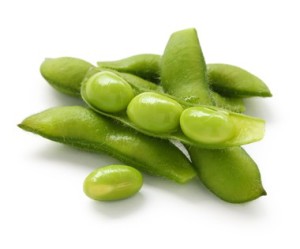
soyMother’s Day was last Sunday. We love the women in our lives and want to keep them happy and healthy. But what should we tell them about soy? Should women avoid soy? Or is it good for them? Is it something they should be including in their diet?

Unfortunately, there is a lot of confusion about soy. The key issue is, “What is the truth about soy and breast cancer? Does it increase the risk of breast cancer, or is that just a myth?” If you are a woman, particularly a woman with breast cancer, it is an important question.

Some experts say soy should be avoided at all costs. They say that soy will increase your risk of breast cancer. Other experts say soy is perfectly safe and may even reduce your risk of breast cancer. Who is right?

If you are a breast cancer survivor, the question of whether soy increases or decreases your risk of disease recurrence is even more crucial. You have already endured surgery, chemotherapy, and/or radiation. You never want to go through that again.

Why Is There So Much Confusion About Soy?

soy confusionSoy isoflavones decrease estrogen production, strengthen the immune system, inhibit cell proliferation, and reduce the production of reactive oxygen species. These are all effects that might reduce breast cancer risk.

On the other hand, soy isoflavones also bind to estrogen receptors and exhibit weak estrogenic activity. This effect has the potential to increase breast cancer risk.

Cell culture and animal studies have only confused the issue. Soy isoflavones stimulate the growth of breast cancer cells in a petri dish. Soy isoflavones also stimulate breast cancer growth in a special strain of mice lacking an immune system. However, in studies in both mice and rats with a functioning immune system, soy isoflavones decrease breast cancer risk.

The confusion has been amplified by claims and counterclaims on the internet. There are bloggers who are more interested in the spectacular than they are in accuracy (Today we call this fake news). They have taken the very weak evidence that soy isoflavones could possibly increase breast cancer risk and have blown it all out of proportion.

Their blogs claim that soy definitely increases breast cancer risk and should be avoided at all costs. Their claims have been picked up by other web sites and blogs. Eventually, the claims have been repeated so many times that people started to believe them. A “myth” has been created. I call it a myth because it was never based on convincing scientific evidence.

In the meantime, scientists looked at the cell culture and animal studies and took a more responsible approach. They said “If this is true, it is an important public health issue. We need to do clinical trials in humans to test this hypothesis.”

What Have Previous Clinical Studies Shown?

breast cancerThe question of whether soy consumption increased the risk of developing breast cancer was settled a long time ago. Some studies have shown no effect of soy consumption on breast cancer risk. Others have reported that soy consumption decreased breast cancer risk. A meta-analysis of 18 previous clinical studies found that soy slightly decreased the risk of developing breast cancer (J Natl Cancer Inst, 98: 459-471, 2006). None of those studies found any evidence that soy increased the risk of breast cancer.

What about recurrence of breast cancer in women who are breast cancer survivors? There have been five major clinical studies looking at the effects of soy consumption on breast cancer recurrence in both Chinese and American populations. Once again, the studies have shown either no effect of soy on breast cancer recurrence or a protective effect. None of them have shown any detrimental effects of soy consumption for breast cancer survivors.

A meta-analysis of all 5 studies was published in 2013 (Chi et al, Asian Pac J Cancer Prev., 14: 2407-2412, 2013). This study combined the data from 11,206 breast cancer survivors in the US and China. Those with the highest soy consumption had a 23% decrease in recurrence and a 15% decrease in mortality from breast cancer.

What Did The Most Recent Study Show?

Clinical StudyIn earlier clinical studies the protective effect of soy has been greater in Asian populations than in North American populations. This could have been because Asians consume more soy. However, it could be due to other population differences as well.

To better evaluate the effect of soy consumption on breast cancer survivors in the North America, a group of investigators correlated soy consumption with all-cause mortality in breast cancer survivors in the US and Canada (Zhang et al, Cancer, DOI: 10.1002/cncr.30615, March 2017).

The data were collected from The Breast Cancer Family Registry, an international research infrastructure established in 1995. The women enrolled in this registry either have been recently diagnosed with breast cancer or have a family history of breast cancer.

This study included 6235 breast cancer survivors from the registry who lived in the San Francisco Bay area and the province of Ontario in Canada. The women represented an ethnically diverse population and had a median age of 51.8 at enrollment. Soy consumption was assessed either at the time of enrollment or immediately following breast cancer diagnosis. The women were followed for 9.4 years, during which time 1224 of them died.

The results were as follows:

  • There was a 21% decrease in all-cause mortality for women who had the highest soy consumption compared to those with the lowest soy consumption.
  • The protective effect of soy was strongest for those women who had receptor negative breast cancer. This is significant because receptor-negative breast cancer is associated with poorer survival rates than hormone receptor-positive cases.
  • The protective effect was also greatest (35% reduction in all-cause mortality) for women with the highest soy consumption following breast cancer diagnosis. This suggests that soy may play an important role in breast cancer survival.
  • The authors concluded “In this large, ethnically diverse cohort of women with breast cancer, higher dietary intake of [soy] was associated with reduced total mortality.”

In an accompanying editorial, Omer Kucuk, MD, of the Winship Cancer Institute of Emory University, noted that the United States is the number 1 soy producer in the world and is in a great position to initiate changes in health policy by encouraging soy intake.  He said “We now have evidence that soy foods not only prevent breast cancer but also benefit women who have had breast cancer. Therefore, we can recommend women to consume soy foods because of soy’s many health benefits.”

Should Women Avoid Soy?

soy breast cancer mythNow we can get back to the question I posed at the beginning of this article, “Should women avoid soy?”

The evidence from clinical studies says, “No”. But every clinical study has its limitations. If there were only one or two studies, the question of whether soy increases breast cancer risk might still be in doubt.

However, multiple clinical studies have come to the same conclusion. Either soy has no effect on breast cancer risk and breast cancer recurrence, or it has a protective effect.

Not a single clinical study has found any evidence that soy increases breast cancer risk. It is clear that consumption of soy foods is safe, and may be beneficial, for women with breast cancer. The myth that soy increases breast cancer risk needs to be put to rest.

With the breast cancer myth out of the way, we can focus on the many benefits of soy.

Soy is one of the very few plant proteins that is complete, meaning that is contains all the essential amino acids we need to build muscle and other important proteins like immunoglobulins. It is also high in fiber and is a good source of healthy polyunsaturated fatty acids and essential nutrients like folate, iron, and magnesium. When you include the phytoestrogens found in minimally processed soy products, soy consumption is associated with:

  • Lower LDL cholesterol and a reduced risk of heart disease.
  • Bone health.
  • A strong immune system.
  • A reduction in menopause symptoms.

The Bottom Line

  • It is time to put the myth that soy increases breast cancer risk to rest and focus on the many health benefits of soy. This myth is based on cell culture and animal studies, and those studies were inconclusive.
  • Multiple clinical studies have shown that soy either has no effect on breast cancer risk, or that it reduces the risk.
  • Multiple clinical studies have also shown that soy either has no effect on breast cancer recurrence in women who are breast cancer survivors, or that it reduces recurrence.
  • The most recent clinical study is fully consistent with previous studies. It reports:
    • There was a 21% decrease in all-cause mortality for women who had the highest soy consumption compared to those with the lowest soy consumption.
    • The protective effect of soy was strongest for those women who had receptor negative breast cancer. This is significant because receptor-negative breast cancer is associated with poorer survival rates than hormone receptor-positive cases.
    • The protective effect was also greatest (35% reduction in all-cause mortality) for women with the highest soy consumption following breast cancer diagnosis. This suggests that soy may play an important role in breast cancer survival.
  • No clinical studies have provided any evidence to support the claim that soy increases either breast cancer risk or breast cancer recurrence.

For more information on this study and the benefits of soy consumption read the article above.

These statements have not been evaluated by the Food and Drug Administration. This information is not intended to diagnose, treat, cure, or prevent any disease.

__________________________________________________________________________

My posts and “Health Tips From the Professor” articles carefully avoid claims about any brand of supplement or manufacturer of supplements. However, I am often asked by representatives of supplement companies if they can share them with their customers.

My answer is, “Yes, as long as you share only the article without any additions or alterations. In particular, you should avoid adding any mention of your company or your company’s products. If you were to do that, you could be making what the FTC and FDA consider a “misleading health claim” that could result in legal action against you and the company you represent.

For more detail about FTC regulations for health claims, see this link.

https://www.ftc.gov/business-guidance/resources/health-products-compliance-guidance

_____________________________________________________________________

About The Author 

Dr. Chaney has a BS in Chemistry from Duke University and a PhD in Biochemistry from UCLA. He is Professor Emeritus from the University of North Carolina where he taught biochemistry and nutrition to medical and dental students for 40 years.  Dr. Chaney won numerous teaching awards at UNC, including the Academy of Educators “Excellence in Teaching Lifetime Achievement Award”. Dr Chaney also ran an active cancer research program at UNC and published over 100 scientific articles and reviews in peer-reviewed scientific journals. In addition, he authored two chapters on nutrition in one of the leading Biochemistry textbooks for medical students.

Since retiring from the University of North Carolina, he has been writing a weekly health blog called “Health Tips From the Professor”. He has also written two best-selling books, “Slaying the Food Myths” and “Slaying the Supplement Myths”. And most recently he has created an online lifestyle change course, “Create Your Personal Health Zone”. For more information visit https://chaneyhealth.com.

For the past 54 years Dr. Chaney and his wife Suzanne have been helping people improve their health holistically through a combination of good diet, exercise, weight control and appropriate supplementation.



Will Processed Meat Kill You?

What Is The Truth About Meat?

Author: Dr. Stephen Chaney 

Vegans will tell you that any meat is bad for you. Keto enthusiasts haven’t found a meat they don’t like. To them grains and most fruits and vegetables are the problem.

But what about those of us who aren’t at either extreme? Which meat, if any, should be part of a healthy diet? And how much of them should we eat?

For years the paradigm had been clear:

  • Fish was best, especially fish rich in omega-3s. They were good for your heart and your brain. And some studies suggested that high intake of omega-3-rich fish might help you live longer.
  • Poultry and other white meats were neutral.
  • Red meat was probably bad for you. It was high in saturated fat and cholesterol, and some studies linked it to an increased risk of heart disease. Plus, the International Agency for Research on Cancer (IARC), an agency of the WHO, listed it as a probable carcinogen. [Note: Recent studies have questioned concerns about red meat. I will discuss this below.]
  • Processed meats were considered a “no-no” The IARC listed processed meat as a definite carcinogen for humans based on studies linking it to colon, stomach, lung, and pancreatic cancers. It is also linked to an increased risk of heart disease.

However, most of these studies were done in the United States. And our diet is very different from that of many other countries.

That’s why a recent study (R Iqbal et al, American Journal of Clinical Nutrition, 114:1049-1058, 2021) caught my eye. The study was designed to measure the association between unprocessed red meat & poultry and processed meat intake with the risk both mortality and major cardiovascular disease with cancer as a secondary end point. And the study used data from 21 countries around the world except the United States.

How Was This Study Done?

Clinical StudyThe authors used data from the Prospective Urban Rural Epidemiology (PURE) study. The study is a large-scale (164,007 individuals), prospective (meaning it follows the individuals over time rather than taking measurements from them at a single time) study. The individuals in the study were aged 35-70 years and were followed for an average of 9.5 years.

The individuals came from 21 low-, middle-, and high-income countries.

  • The low-income countries included Bangladesh, India, Pakistan, Tanzania, and Zimbabwe.
  • The middle-income countries included Argentina, Brazil, Chile, China, Columbia, Iran, Poland, South Africa, and Turkey.
  • The high-income countries included Canada, Saudi Arabia, Sweden, and the United Arab Emirates. [Note: The United States was not included in the study.]

At the beginning of the study and at 3, 6, and 9 years the following data were collected from everyone enrolled in the study.

  • Demographic information (age, sex, location, education, wealth index, and smoking status).
  • Lifestyle information (diet and physical activity).
  • Health history.
  • Medication use.
  • Cardiovascular events and mortality.

Will Processed Meat Kill You?

The authors compared high intake of processed meats (5 ounces per week, the equivalent of two sausages/week) with zero intake of processed meats. They reported that high intake of processed meats increased the risk of:

  • Mortality by 51%.
  • Major cardiovascular disease by 46%.
  • Non-cardiovascular mortality by 50%
  • Cancer by 84%.
  • Heart attack by 62%.
  • Stroke by 56%.

Furthermore, even as little as 1.5 ounces of processed meat per week significantly increased the risk of mortality.

For red meat and poultry, the authors compared high intake (9 ounces per week) with low intake (2 ounces per week). For both red meat and poultry they did not find any association between high weekly intake and any of the health outcomes.

[I would note however, that many Americans consume 4 ounces of chicken or an 8-ounce steak at dinner – that’s one meal on one day. The corresponding weekly intake would be 28 ounces of chicken or 56 ounces of red meat. That’s significantly higher than the highest weekly intake used in this study.]

The authors concluded, “We observed no significant association between the consumption of unprocessed red meat and poultry intake and health outcomes. And higher intake of processed meat was associated with higher risks of mortality and cardiovascular disease. These findings may indicate that limiting the intake of processed meat should be encouraged.”

In my opinion, there are so many studies linking the consumption of processed meat with heart disease, cancer, and premature death that the last sentence of their conclusion should have said, “These findings unambiguously confirm that limiting the intake of processed meats should be encouraged.”

What Is The Truth About Meat? 

truthRed Meat:

Yes, there is a lot of confusion about red meat. Many studies, like this one, find no adverse health effects associated with red meat consumption. That has led many experts to conclude that the dangers of red meat have been greatly exaggerated.

I think we should dig a little deeper. Most of the studies showing that red meat consumption increases the risk of heart disease, cancer, and mortality have been done in this country. So, perhaps we should be asking what is different about red meat consumption in our country.

There are several factors to consider:

  • Cooking Methods: The authors of this article pointed out that we often grill our meat at high temperatures which causes the formation of cancer-causing chemicals, while many of the countries in the PURE database stew their red meat at much lower temperatures.
  • Diet Context: As I have explained in a previous article of Health Tips From the Professor, fruits, vegetables, and whole grains are the antidotes to the cancer-causing chemicals formed when we cook red meat. And they bind to cholesterol in the intestine and flush it out of the body. Finally, they dilute the saturated fat in red meat with polyunsaturated fats, which helps create a healthier balance of fats.

In this country we often pair our steaks with French fries or a baked potato loaded with butter and sour cream. However, in low- and middle-income countries red meat is an expensive luxury and is often used as a garnish to dishes containing lots of vegetables and whole grains.

  • Amount Consumed: As a mentioned above, the amount of red meat most Americans consume in a week far exceeds the highest weekly intake of red meat in this study. The highest weekly consumption of red meat in this study is more consistent with using red meat as a garnish than as a main course.

Poultry:

For poultry, there is no confusion. Studies done in this country also find no association between poultry consumption and cardiovascular disease, cancer, or mortality. That may be due to a healthier fat profile and the ways in which poultry is usually cooked.

Processed Meat:

For processed meat, there is also no confusion. Virtually every published study from across the world agrees that it increases the risk of cancer, heart disease, and premature death. And the effect is not trivial. This study suggests that just 2 sausages a week is enough to increase your risk of premature death by 50%! So, the answer to the question, “Will processed meat kill you?” appears to be, “Yes”.

The authors of this article pointed out that the saturated fat and cholesterol in processed meat and red meat were very similar. They didn’t mention it, but the cooking techniques are also similar. So, neither of these explain why processed meat is so bad for us.

However, the amounts of preservatives and food additives in processed and unprocessed meats differ greatly. Based on this, the authors of the study and many other experts postulate that it is the preservatives and food additives that are responsible for the health risks of processed meats.

What Does this Mean For You? 

This study agrees with many other studies showing that processed meats are bad for us. The authors recommend limiting your intake of processed meats.

However, their data show that as little as two strips of bacon, one hot dog, or half a large sausage per week significantly increases your risk of heart disease, cancer, and premature death. Based on that, my advice would be to avoid processed meats as much as possible.

As I described above, most experts feel that it is the preservatives and food additives that are responsible for the health risks associated with processed meats.

Some studies suggest that nitrates in processed meats may be the main culprit. Based on that belief, some food companies are offering nitrate-free processed meats as a healthier option.

However, there still may be some additives in nitrate-free processed meats (read the label carefully), and we have no clinical studies showing that the nitrate-free processed meats in the marketplace are good for us.

Red meat is more confusing. This study and others suggest it poses no health hazards. And many experts are telling you that the warnings about consuming red meat were overblown. They are telling you that red meat is good for you.

However, some studies suggest that red meat increases your risk of heart disease, cancer and premature death. When you examine the data behind the studies, I think that better advice would be that red meat can be good for you or bad for you depending on three factors:

  • Portion size: We should think of red meat as a garnish rather than a main course – 3-4 ounces is a healthy portion size. 8-12 ounces may be too much.
  • Cooking method: Many of the bad things associated with red meat are the result of high temperature cooking, especially over a flame or on a grill. Choose low temperature cooking methods whenever possible.
  • Diet context: Whole fruits, vegetables and whole grains are the antidotes to all the bad things associated with red meat. 3-4 ounces of red meat in a vegetable stir fry or green salad is likely to be much better for you than an 8-ounce steak with French fries.

Also, red meat already has more than enough saturated fat and cholesterol. Adding foods or sauces high in fat and cholesterol may overload the body’s ability to safely process them. But adding vegetables or vegetable oils helps to restore a better balance between good and bad fats.

Finally, this and other studies agree that white meat is healthy. My only advice is:

  • Avoid white meat that has been fried (especially by fast food restaurants that only change their oil every 20,000 miles) or cooked with fatty sauces.
  • Think of the whole diet rather than just the protein source. White meat will be the healthiest as part of a whole food, primarily plant-based diet.

The Bottom Line 

A recent study reported that eating as 5 ounces of processed foods per week increases your risk of heart disease, cancer, and premature death by 50%. That is equivalent to two sausages per week!) The authors of the study recommended that you limit your intake of processed meats.

However, the study showed that even as little as 1.5 ounces (2 strips of bacon, one hot dog, or half of a large sausage) per week significantly increases your risk of all three. Based on that data, my recommendation is to consider avoiding processed meat altogether.

The study reported that unprocessed red and white meat are not associated with increased health risks. I put those findings into the context of other published studies on the topic. I discuss my recommendations for unprocessed red and white meat in the article above.

For more information on this study and what it means for you, read the article above.

These statements have not been evaluated by the Food and Drug Administration. This information is not intended to diagnose, treat, cure or prevent any disease.

____________________________________________________________________________

My posts and “Health Tips From the Professor” articles carefully avoid claims about any brand of supplement or manufacturer of supplements. However, I am often asked by representatives of supplement companies if they can share them with their customers.

My answer is, “Yes, as long as you share only the article without any additions or alterations. In particular, you should avoid adding any mention of your company or your company’s products. If you were to do that, you could be making what the FTC and FDA consider a “misleading health claim” that could result in legal action against you and the company you represent.

For more detail about FTC regulations for health claims, see this link.

https://www.ftc.gov/business-guidance/resources/health-products-compliance-guidance

_____________________________________________________________________

About The Author 

Dr. Chaney has a BS in Chemistry from Duke University and a PhD in Biochemistry from UCLA. He is Professor Emeritus from the University of North Carolina where he taught biochemistry and nutrition to medical and dental students for 40 years.

Dr. Chaney won numerous teaching awards at UNC, including the Academy of Educators “Excellence in Teaching Lifetime Achievement Award”.

Dr Chaney also ran an active cancer research program at UNC and published over 100 scientific articles and reviews in peer-reviewed scientific journals. In addition, he authored two chapters on nutrition in one of the leading biochemistry text books for medical students.

Since retiring from the University of North Carolina, he has been writing a weekly health blog called “Health Tips From the Professor”. He has also written two best-selling books, “Slaying the Food Myths” and “Slaying the Supplement Myths”. And most recently he has created an online lifestyle change course, “Create Your Personal Health Zone”. For more information visit https://chaneyhealth.com.

For the past 54 years Dr. Chaney and his wife Suzanne have been helping people improve their health holistically through a combination of good diet, exercise, weight control and appropriate supplementation.

Are GLP-1 Drugs Just A Temporary Fix?

Why Does The Weight Come Back?

Author: Dr. Stephen Chaney 

It is no secret that obesity has become an epidemic in this country. According to the CDC:

  • The prevalence of obesity topped 40% in 2023.
    • This represents a 3-fold increase over the past 60 years. [Note: Genetics doesn’t change that fast. This is a lifestyle disease.]
    • Severe obesity has increased by 26% in just the last 9 years!

And obesity is deadly:

  • It significantly increases the risk of type 2 diabetes, heart disease, high blood pressure, stroke, and several types of cancer.
  • Severe obesity reduces life expectancy by 10-14 years!

It is no wonder that GLP-1 drugs have been hailed as a medical miracle.

  • Participants in clinical trials of GLP-1 drugs lose 15-20% of their body within 15-18 months.
  • Because GLP-1 drugs affect appetite, they don’t require participants to make any hard lifestyle changes [Hint: This is part of the problem.]

But studies show that most people stay on GLP-1 drugs for 12 months or less.

  • In some cases, that is because minor side effects (nausea, diarrhea, constipation, and stomach pain) become too much of an annoyance over time.
  • In other cases, the cost of GLP-1 drugs becomes too much of a burden over time.
  • And weight loss often plateaus at around 12 months, reducing the incentive to stay on the drug.

It is probably a good thing that most people don’t stay on GLP-1 drugs long term because the risk of serious side effects (severe muscle loss, depression, suicidal thoughts) is cumulative. Those risks increase with long-term drug usage.

But what happens when someone discontinues a GLP-1 drug. Does the weight stay off, or does it come roaring back. In short, are GLP-1 drugs just another “yo-yo” diet fad?

In this article, I will address four questions:

#1: Are GLP-1 drugs just a temporary fix?

#2: Why does the weight come back?

#3: Would supplementation make a difference?

#4: What does this mean for you?

I will answer the first question by reviewing a recently published study. For questions 2 and 3 I will refer to studies I reviewed in previous issues of “Health Tips From the Professor”. Question 4 will represent my best advice to anyone who wants to lose significant weight and keep it off.

Are GLP-1 Drugs A Temporary Fix?

This study (S West et al, The British Medical Journal, 392:e085304, 2026) was a systematic review of 37 studies with 9,341 participants that looked at weight regain following weight loss with GLP-1 and similar drugs. The average length of weight-loss treatment in these studies was 39 (11-176) weeks followed by an average follow-up period of 32 (4-104) weeks.

The data were compared with data obtained from a previous study by the same authors of weight regain following behavioral (diet and exercise) change weight management programs.

What the authors found was:

  • Weight regain following GLP-1-aided weight loss was almost a pound per month, which is 4 times faster than weight regain following weight loss for patients on behavioral management programs.
    • Based on these numbers, weight was projected to return to the starting point within 1.5 years for the GLP-1-aided weight loss compared to 3.9 years following behavioral change programs.
  • Markers of disease risk (hemoglobin A1c, fasting glucose, blood pressure, total cholesterol, and triglycerides) were projected to return to the starting level within 1.4 years for GLP-1-aided weight loss compared to 5 years following behavioral change programs.
  • Weight regain was faster following GLP-1-aided weight loss than following behavioral modification, independent of the extent of initial weight loss.

The authors concluded, “This review found that cessation of WMM (weight management medications) is followed by rapid regain and reversal of beneficial effects on cardiovascular markers. Regain after WMM was faster than after BWMP (behavioral weight management programs). These findings suggest caution in…use of these drugs without a more comprehensive approach to weight management.”

The authors went on to say, “This evidence suggests that despite their success in achieving initial weight loss, these drugs alone may not be sufficient for long term weight control.”

Why Does The Weight Come Back?

Confused DoctorI addressed this in a previous issue of “Health Tips From the Professor”. Here is an excerpt from that article:

The miracle of GLP-1 drugs is that they suppress appetite, which makes it much easier to lose weight.

  • Snacks are no longer appealing.
  • Large portion sizes leave you feeling bloated.
  • It’s easy to skip meals because you just aren’t hungry.

You no longer have to struggle to eat less. It just comes naturally. But this miracle is also a snare.

Because GLP-1 is a drug, not a diet plan, it’s dispensed like any other drug.

  • Your doctor gives you a GLP-1 prescription. If you are lucky, they may give you a “one-size-fits-all” handout on how to lose weight while you are using it. For example, in a recent study:
    • Only 20% of patients were referred by their doctor to a dietitian. The other 80% received little or no information on how to change their diet and lifestyle.
  • When you pick up the drug from the pharmacy, you get a package insert listing the side effects but no information on how to change your diet.
  • And GLP-1 drugs are increasingly sold online where you are given even less information about diet and lifestyle change.

The results are predictable:

A recent study (S Hrisakeva et al, Journal of Marketing Research, December 18, 2025) looked at the grocery buying habits of GLP-1 users.

The study found that:

  • The initial change in food purchases was positive.
    • By 6 months of GLP-1 use, grocery spending fell 5.3%, with a notable decrease of snack, sweet, and fast-food purchases.
  • But the improved eating habits were short-lived.
    • After stopping GLP-1 use, 33% of former GLP-1 users reverted to their previous food purchase habits.
    • Even worse, many of them ended up with less healthy food purchases than before they started.
    • For example, spending on candy and chocolate increased, suggesting that their cravings came back stronger than before they started on GLP-1 drugs.

Would Supplementation Help?

MultivitaminsWhenever you significantly decrease caloric intake, you increase the risk of nutritional deficiencies.

Simply put, every bite counts. When you cut calories, you need to select nutrient dense foods. But that is advice no one is giving GLP-1 users. Again, the results are predictable.

In a recent issue of “Health Tips From the Professor”, I reviewed a recent study on the nutritional adequacy of the diets of GLP-1 users.

That study found that:

  • Their diets were high in fat (39% of calories) and saturated fat (13%).
  • Their diets were low in fruit, vegetables, grains, and dairy foods.
  • Their diets were low in fiber (14 grams). This is half the recommended intake of fiber.
  • Their diets were deficient for calcium, iron, magnesium, potassium, choline, vitamin A, vitamin C, vitamin K, vitamin D, and vitamin E.
    • Long term suboptimal nutrient intakes can have health consequences, but these are deficiencies that can easily be prevented by taking a high-quality multivitamin/multimineral supplement.
  • Only 10% were consuming enough protein to prevent the loss of muscle mass associated with GLP-1 use for weight loss, and loss of muscle is a concerning issue.
    • Most seniors are already struggling to maintain muscle mass.
    • Loss of muscle mass decreases basal metabolic rate (the rate at which your body burns calories 24 hours a day). This may help explain the rapid weight gain following discontinuation of GLP-1 drugs.

What Does This Mean For You?

QuestionsGLP-1 drugs may seem like a modern medical miracle. You can effortlessly lose significant weight (15-20% of your starting weight) within a year and a half. But there are two important questions you face.

#1: When you discontinue the GLP-1 drug, what happens next?

  • If you stay on the drug, your cumulative risk of serious side effects increases over time – plus you are saddled with burdensome costs for a lifetime.
  • If you discontinue the drug without a commitment to permanent lifestyle change (both diet and exercise), your weight will come back – along with the weight-associated risk of serious diseases.

So, my recommendations are obvious. Either:

  • Choose programs that include lifestyle change along with GLP-1 drugs, or…
  • Enroll in a lifestyle change program and add GLP-1 for additional weight loss once you have become comfortable with your new lifestyle.

And, of course, you should commit to permanent lifestyle change, so you can successfully maintain your new, healthy weight once you have discontinued the GLP-1 drug,

#2: What should you do while on GLP-1 drugs? There are two major concerns to consider:

  • Whenever you severely restrict caloric intake, you may have trouble achieving the recommended intake of essential vitamins and minerals.
    • This is why it is important to select nutrient-dense foods while on GLP-1 drugs – another way of saying the lifestyle change should go hand in hand with GLP-1 drug use.
    • This is also why a well-designed multivitamin/multimineral supplement is especially important while on GLP-1 drugs.
  • Whenever you lose weight quickly, you tend to lose muscle mass – and GLP-1 drugs seem to increase the rate of muscle loss.
    • Most experts recommend 60-90 grams of protein per day to minimize muscle loss while on GLP-1 drugs. That protein should be spread evenly across meals to maximize absorption and utilization of the protein – which amounts to 20-30 grams of protein per meal. So, my recommendations are:
      • Focus on high-protein foods like lean meats, eggs, Greek yogurt, cottage cheese, tofu, and legumes. Once again, you need to make every bite count.
      • Because GLP-1 drugs significantly reduce your appetite, getting all the protein you need high-protein foods will be difficult. This is where protein supplements can play an important role. Choose supplements that are high in protein and low in calories without relying on artificial ingredients.
      • And, of course, don’t forget the exercise component. Remember the simple equation: Adequate protein + exercise = muscle

The Bottom Line

GLP-1 drugs seem like a modern medical miracle. They allow you to effortlessly lose significant weight and reduce the disease risks associated with obesity.

But does that weight stay off once you discontinue using the GLP-1 drugs? The drug companies would like you to think so. But a recent study suggests that it isn’t true.

The study shows that most people regain the weight, and the associated health risks, within a year and a half of discontinuing GLP-1 drugs. In other words, this study suggests that GLP-1 weight loss is no different than the yo-yo diets of the past.

In this article I review the study and discuss why the weight returns, what role supplements may play, and what this means for you if you are considering a GLP-1 drug for weight loss.

For more information on this study and what it means for you, read the article above.

These statements have not been evaluated by the Food and Drug Administration. This information is not intended to diagnose, treat, cure or prevent any disease.

 ___________________________________________________________________________

My posts and “Health Tips From the Professor” articles carefully avoid claims about any brand of supplement or manufacturer of supplements. However, I am often asked by representatives of supplement companies if they can share them with their customers.

My answer is, “Yes, as long as you share only the article without any additions or alterations. In particular, you should avoid adding any mention of your company or your company’s products. If you were to do that, you could be making what the FTC and FDA consider a “misleading health claim” that could result in legal action against you and the company you represent.

For more detail about FTC regulations for health claims, see this link.

https://www.ftc.gov/business-guidance/resources/health-products-compliance-guidance

 _____________________________________________________________________

About The Author 

Dr. Chaney has a BS in Chemistry from Duke University and a PhD in Biochemistry from UCLA. He is Professor Emeritus from the University of North Carolina where he taught biochemistry and nutrition to medical and dental students for 40 years.  Dr. Chaney won numerous teaching awards at UNC, including the Academy of Educators “Excellence in Teaching Lifetime Achievement Award”. Dr Chaney also ran an active cancer research program at UNC and published over 100 scientific articles and reviews in peer-reviewed scientific journals. In addition, he authored two chapters on nutrition in one of the leading Biochemistry textbooks for medical students.

Since retiring from the University of North Carolina, he has been writing a weekly health blog called “Health Tips From the Professor”. He has also written two best-selling books, “Slaying the Food Myths” and “Slaying the Supplement Myths”. And most recently he has created an online lifestyle change course, “Create Your Personal Health Zone”. For more information visit https://chaneyhealth.com.

For the past 54 years Dr. Chaney and his wife Suzanne have been helping people improve their health holistically through a combination of good diet, exercise, weight control and appropriate supplementation.

Could What You Eat Save The Planet?

Eating For A Healthy Planet

Author: Dr. Stephen Chaney 

Earth DayEarth Day is tomorrow. So, it is time for my annual reminder that what you eat affects a lot more than just your health. It also affects the health of our planet. Once again, it’s time to ask yourself, “Could what you eat save the planet?

This is not a new question, but a recent commission of international scientists has conducted a comprehensive study into our diet and its effect on our health and our environment. Their report (W. Willet et al, The Lancet, 393, issue 10170, 447-492, 2019) serves as a dire warning of what will happen if we don’t change our ways.

The commission carefully evaluated diet and food production methods and asked three questions:

  • Are they good for us?
  • Are they good for the planet?
  • Are they sustainable? Will they be able to meet the needs of the projected population of 10 billion people in 2050 without degrading our environment?

The commission described the typical American diet as a “lose-lose-lose diet”. It is bad for our health. It is bad for the planet. And it is not sustainable.

In its place they carefully designed their version of a primarily plant-based diet they called a “win-win-win diet”. It is good for our health. It is good for the planet. And it is sustainable.

In their publication they refer to their diet as the “universal healthy reference diet” (What else would you expect from a committee?). However, it has become popularly known as the “Planetary Diet”.

I have spoken before about the importance of a primarily plant-based diet for our health. In that context it is a personal choice. It is optional.

However, this report is a wake-up call. It puts a primarily plant-based diet in an entirely different context. It is essential for the survival of our planet. It is no longer optional.

If you care about our environment…If you care about saving our planet, there is no other choice.

How Was The Study Done?

The publication (W. Willet et al, The Lancet, 393, issue 10170, 447-492, 2019) was the report of the EAT-Lancet Commission on Healthy Diets from Sustainable Food Systems. This Commission convened 30 of the top experts from across the globe to prepare a science-based evaluation of the effect of diet on both health and sustainable food production through the year 2050. The Commission included world class experts on healthy diets, agricultural methods, climate change, and earth sciences. The Commission reviewed 356 published studies in preparing their report.

Can The Foods You Eat Affect The Health Of Our Planet?

Factory FarmWhen they looked at the effect of food production on the environment, the Commission concluded:

  • “Strong evidence indicates that food production is among the largest drivers of global environmental change.” Specifically, the commission reported:
    • Agriculture occupies 40% of global land (58% of that is for pasture use).
    • Food production is responsible for 30% of global greenhouse gas emissions and 70% of freshwater use.
    • Conversion of natural ecosystems to croplands and pastures is the largest factor causing species to be threatened with extinction. Specifically, 80% of extinction threats to mammals and bird species are due to agricultural practices.
    • Overuse and misuse of nitrogen and phosphorous in fertilizers causes eutrophication. In case you are wondering, eutrophication is defined as the process by which a body of water becomes enriched in dissolved nutrients (such as phosphates from commercial fertilizer) that stimulate the growth of algae and other aquatic plant life, usually resulting in the depletion of dissolved oxygen. This creates dead zones in lakes and coastal regions where fish and other marine organisms cannot survive.
    • About 60% of world fish stocks are fully fished and more than 30% are overfished. Because of this, catch by global marine fisheries has been declining since 1996.
  • “Reaching the Paris Agreement of limiting global warming…is not possible by only decarbonizing the global energy systems. Transformation to healthy diets from sustainable food systems is essential to achieving the Paris Agreement.”
  • The world’s population is expected to increase to 10 billion by 2050. The current system of food production is unsustainable.

Food ChoicesWhen they looked at the effect of the foods we eat on the environment, the Commission concluded:

  • Beef and lamb are the biggest contributors to greenhouse gas emissions and land use.
    • The concern about land use is obvious because of the large amount of pastureland required to raise cattle and sheep.
    • The concern about greenhouse gas emissions is because cattle and sheep are ruminants. They not only breathe out CO2, but they also release methane into the atmosphere from fermentation in their rumens of the food they eat. Methane is a potent greenhouse gas, and it persists in the atmosphere 25 times longer than CO2. 

The single most important thing we can do as individuals to reduce greenhouse gas emissions is to eat less beef and lamb. [Note: grass fed cattle produce more greenhouse gas emissions than cattle raised on corn because they require 3 years to bring to market rather than 2 years.] 

    • In contrast, plant crops reduce greenhouse gas emissions by removing CO2 from the atmosphere.
  • In terms of energy use beef, lamb, pork, chicken, dairy, and eggs all require much more energy to produce than any of the plant foods.
  • In terms of eutrophication of our lakes and oceans, beef, lamb, and pork all cause much more eutrophication than any plant food. Dairy and eggs cause more eutrophication than any plant food except fruits.

Eating For A Healthy Planet

Planetary DietIn the words of the Commission: “[The Planetary Diet] largely consists of vegetables, fruits, whole grains, legumes, nuts, and unsaturated oils. It includes a low to moderate amount of seafood, poultry, and eggs. It includes no or a very low amount of red meat, processed meat, sugar, refined grains, and starchy vegetables.”

When described in that fashion it sounds very much like other healthy diets such as semi-vegetarian, Mediterranean, DASH, and Flexitarian. However, what truly distinguishes it from the other diets is the restrictions placed on the non-plant portion of the diet to make it both environmentally friendly and sustainable. Here is a more detailed description of the diet:

  • It starts with a vegetarian diet. Vegetables, fruits, beans, nuts, soy foods, and whole grains are the foundation of the diet.
  • It allows the option of adding one serving of dairy a day (It turns out that cows produce much less greenhouse emissions per serving of dairy than per serving of beef. That’s because cows take several years to mature before they can be converted to meat, and they are emitting greenhouse gases the entire time).
  • It allows the option of adding one 3 oz serving of fish or poultry or one egg per day.
  • It allows the option of swapping seafood, poultry, or egg for a 3 oz serving of red meat no more than once a week. If you want a 12 oz steak, that would be no more than once a month.

This is obviously very different from the way most Americans currently eat. According to the Commission:

  • “This would require greater than 50% reduction in consumption of unhealthy foods, such as red meat and sugar, and greater than 100% increase in the consumption of healthy foods, such as nuts, fruits, vegetables, and legumes”.
  • “In addition to the benefits for the environment, “dietary changes from current diets to healthy diets are likely to substantially benefit human health, averting about 10.8-11.6 million deaths per year globally.”

What Did The Commission Recommend About Food Production?

In addition to changes in our diets, the Commission also recommended several changes in the way food is produced. Here are a few of them.

1) Reduce greenhouse gas emissions from the fuel used to transport food to market.

2) Reduce food losses and waste by at least 50%.

3) Make radical improvements in the efficiency of fertilizer and water use. In terms of fertilizer, the change would           be two-fold:

  • In developed countries, reduce fertilizer use and put in place systems to capture runoff and recycle the phosphorous.
  • In third world countries, make fertilizer more available so that crop yields can be increased, something the Commission refer to as eliminating the “yield gap” between third world and developed countries.
  • Stop the expansion of new agricultural land use into natural ecosystems and put in place policies aimed at restoring and re-foresting degraded land.
  • Manage the world’s oceans effectively to ensure that fish stocks are used responsibly and global aquaculture (fish farm) production is expanded sustainability.

What we can do: While most of these are government level policies, we can contribute to the first three by reducing personal food waste and purchasing organic produce locally whenever possible.

Could What You Eat Save The Planet?

The short answer is, “Yes, what we eat can go a long way towards protecting the health of our planet.”

If you are a vegan, you are probably asking why the Commission did not recommend a completely plant-based diet. The answer is that a vegan diet is perfect for the health of our planet. However, the Commission wanted to make a diet that was as consumer friendly as possible and still meet their goals of a healthy, environmentally friendly, and sustainable diet.

If you are eating a typical American diet or one of the fad diets that encourage meat consumption, you are probably wondering how you can ever make such drastic changes to your diet. The answer is “one step at a time”. If you have read the Forward to my books “Slaying The Food Myths” or “Slaying the Supplement Myths”, you know that my wife and I did not change our diet overnight. Our diet evolved to something very close to the Planetary Diet over a period of years.

The Commission also purposely designed the Planetary Diet so that you “never have to say never” to your favorite foods. Three ounces of red meat a week does not sound like much, but it allows you a juicy steak once a month.

Sometimes you just need to develop a new mindset. As I shared in my books, my father prided himself on grilling the perfect steak. I love steaks, but I decided to set a few parameters. I don’t waste my red meat calories on anything besides filet mignon at a fine restaurant. It must be a special occasion, and someone else must be buying. That limits it to 2-3 times a year. I still get to enjoy good steak on occasion, and I stay well within the parameters of the Planetary diet.

Develop your strategy for enjoying some of your favorite foods within the parameters of the Planetary Diet and have fun with it.

The Bottom Line

Could what you eat save the planet? This is not a new question, but a recent commission of international scientists has conducted a comprehensive study into our diet and its effect on our health and our environment. Their report serves as a dire warning of what will happen to us and our planet if we don’t change our ways.

The Commission carefully evaluated diet and food production methods and asked three questions:

  • Are they good for us?
  • Are they good for the planet?
  • Are they sustainable? Will they be able to meet the needs of the projected population of 10 billion people in 2050 without degrading our environment.

The Commission described the typical American diet as a “lose-lose-lose diet”. It is bad for our health. It is bad for the planet. And it is not sustainable.

In its place they carefully designed their version of a primarily plant-based diet they called a “win-win-win diet”. It is good for our health. It is good for the planet. And, it is sustainable.

In their publication they refer to their diet as the “universal healthy reference diet” (What else would you expect from a committee?). However, it has become popularly known as the “Planetary Diet”.

The Planetary Diet is similar to other healthy diets such as semi-vegetarian, Mediterranean, DASH, and Flexitarian. However, what truly distinguishes it from the other diets is the restrictions placed on the non-plant portion of the diet to make it both environmentally friendly and sustainable (for details, read the article above).

I have spoken before about the importance of a primarily plant-based diet for our health. In that context it is a personal choice. It is optional.

However, this report is a wake-up call. It puts a primarily plant-based diet in an entirely different context. It is essential for the survival of our planet. It is no longer optional.

If you care about global warming…If you care about saving our planet, there is no other choice.

For more details read the article above.

These statements have not been evaluated by the Food and Drug Administration. This information is not intended to diagnose, treat, cure or prevent any disease.

______________________________________________________________________________

My posts and “Health Tips From the Professor” articles carefully avoid claims about any brand of supplement or manufacturer of supplements. However, I am often asked by representatives of supplement companies if they can share them with their customers.

My answer is, “Yes, as long as you share only the article without any additions or alterations. In particular, you should avoid adding any mention of your company or your company’s products. If you were to do that, you could be making what the FTC and FDA consider a “misleading health claim” that could result in legal action against you and the company you represent.

For more detail about FTC regulations for health claims, see this link.

https://www.ftc.gov/business-guidance/resources/health-products-compliance-guidance

 ________________________________________________________________________

About The Author 

Dr. Chaney has a BS in Chemistry from Duke University and a PhD in Biochemistry from UCLA. He is Professor Emeritus from the University of North Carolina where he taught biochemistry and nutrition to medical and dental students for 40 years.

Dr. Chaney won numerous teaching awards at UNC, including the Academy of Educators “Excellence in Teaching Lifetime Achievement Award”.

Dr Chaney also ran an active cancer research program at UNC and published over 100 scientific articles and reviews in peer-reviewed scientific journals. In addition, he authored two chapters on nutrition in one of the leading biochemistry text books for medical students.

Since retiring from the University of North Carolina, he has been writing a weekly health blog called “Health Tips From the Professor”. He has also written two best-selling books, “Slaying the Food Myths” and “Slaying the Supplement Myths”. And most recently he has created an online lifestyle change course, “Create Your Personal Health Zone”. For more information visit https://chaneyhealth.com.

For the past 54 years Dr. Chaney and his wife Suzanne have been helping people improve their health holistically through a combination of good diet, exercise, weight control and appropriate supplementation.

Can Folate Prevent Obesity In Adolescents?

When Pigs Fly

Author: Dr. Stephen Chaney

obesity is toxicThe obesity epidemic has reached our children!

  • The prevalence of obesity in children and adolescents has increased 3-fold in the past 30 years.

According to the CDC:

  • In 2023 almost 20% of US children and adolescents (ages 6-17) were obese.
    • And if you expand the category to overweight AND obese the percentage is over 30%.
  • The medical costs for treating obese children and adolescents in 2023 was $1.3 billion. That’s:
    • $116 higher per person for obese children than children of normal weight.
    • $310 higher per person for severely obese children than children of normal weight.

In the short-term, obesity in children and adolescents affects:

  • Growth
  • Hormone balance.
  • Self-image and psychological wellness.

Longer term, obesity in children and adolescents increases the risk of:

  • Heart Disease.
  • Diabetes and other metabolic disorders.
  • Certain cancers.
  • Premature death.

That’s why recent headlines suggesting that folate decreases the risk of obesity in children and adolescents were so intriguing.

  • We know that around 13% of boys and 40% of girls aged 12-15 have inadequate folate intake.
  • Could something as simple as a folate supplement decrease the risk of your child or teenager becoming obese?

Maybe. But before you rush out and buy folate supplements for your children, perhaps we should examine the study (F Yan et al. BMC Pediatrics, 26: 141, 2026) behind the headlines and see if there is a simpler explanation of the data.

How Was This Study Done?

clinical studyThis study utilized data from the US National Health and Nutrition Examination Survey (NHANES) that is conducted by the CDC on a continuous basis. This particular study utilized data collected from 49,693 Americans of all ages and ethnicities between 2009 and 2018.

For this study, children were classified as ages 6-11 years (4458 individuals) and adolescents as ages 12-19 years (4946 individuals).

Dietary folate intake was calculated from two 24-hour dietary recalls spaced 3-10 days apart.

  • The data only included folates from food sources and did not include any dietary supplements.
  • The first dietary recall interview was conducted in person and the second by phone.
  • Daily folate intake was calculated as folate intake in mcg per 1,000 calories of food (mcg/1,000 calories).
  • Finally, the participants were divided into quartiles: Q1 <143, Q2 143-182, Q3 182-235, Q4 ≥235, all in units of mcg/1,000 calories.

The study correlated folate intake with both overall overweight/obesity and central obesity.

  • Overweight/obesity was defined as a BMI ≥ than the sex- and age-specific 85Th percentile for BMI.
  • Central obesity was defined as a waist circumference ≥ than the sex- and age-specific 90th percentile corrected for height.

Can Folate Prevent Obesity In Adolescents?

folic acidThe data appeared to be convincing. For example:

In the total population of children plus adolescents (9,405 individuals):

  • Folate intake was negatively corelated with obesity.
  • When folate intake was analyzed as a continuous variable, for every unit increase of dietary folate intake:
    • The percentage of overweight/obese children and adolescents decreased by 11%.
    • The percentage of children and adolescents with central obesity decreased by 13%.
  • When folate intake was analyzed by quartiles.
    • When quartile 2 (folate intake of 143-182) was compared to quartile 1 (folate intake <143), overweight/obesity decreased by 26% and central obesity by 23%.
    • When quartile 3 (folate intake of 182-235) was compared to quartile 1, overweight/obesity decreased by 29% and central obesity by 26%.
    • When quartile 4 (folate intake ≥235) was compared to quartile 1, overweight/obesity decreased by 35% and central obesity decreased by 36%.

As you might have guessed from the previous data, the effect of folate on the risk of obesity/overweight and central obesity was non-linear. There was an inflection point around 192 mcg/1,000 calories.

    • When folate intake was below 192 mcg/1,000 calories, an increase of 100 mcg/1,000 calories decreased the risk of overweight/obesity and central obesity by 35%.
    • When folate intake was above 192 mcg/1,000 calories, the effect of additional folate intake was not statistically significant.

When they broke down the data by age and gender:

  • The effect of folate intake on overweight/obesity and central obesity was not significant in children.
  • However, the effect of folate intake on overweight/obesity and central obesity was highly significant in adolescents and the effect was gender specific.
    • When comparing folate intake in the Q4 range (≥235 mcg/1,000 calories) to the Q1 range (<143 mcg/1,000 calories) overweight/obesity:
      • Was reduced by 47% in men and 50% in women.
    • When comparing folate intake in the Q4 range to the Q1 range central obesity:
      • Was reduced by 58% in women, but no statistically significant decrease was seen in men.

The authors concluded, “This cross-sectional study indicates that higher dietary folate is associated with lower odds of overweight/obesity and central obesity in children and adolescents in the United States. The association exhibits non-linear characteristics with potential thresholds of 190 mcg/1,000 calories and 195 mcg/1,000 calories, respectively. It is worth noting that this association is mainly significant in the adolescent population. This study reveals a possible dose-response relationship between dietary folate and obesity in children and adolescents.”

When Pigs Fly

If Pigs Could FlyIt would be easy to accept the conclusions of these authors at face value. After all, the statistical correlation between higher folate intake and the risk of obesity in adolescents was very strong.

And the authors invoked a lot of impressive sounding metabolic mumbo-jumbo to explain how folate could affect appetite and body weight. [I’m qualified to call it mumbo-jumbo because I taught human metabolism to medical students for 40 years.]

You might be tempted to rush out and buy a folate supplement for your teenager, especially if they are starting to get a bit plump. But then, you might think, “Wait. It couldn’t be that simple. It just doesn’t sound plausible that folate intake has anything to do with obesity”.

The 16th century English and Scotts had a phrase for impossible events. They were things that only happened “When pigs fly”. The original version of the saying was, “When pigs fly with their tails forward.” In other words, the pigs were not only flying. They were flying backwards.

What Could Go Wrong?

SkepticAs I said above, the inverse association between folate intake and obesity in adolescents was very strong. What could go wrong? As Mark Twain said years ago, “There are lies. There are damn lies. And then there are statistics.” Let me explain.

This was an association study. Association studies measure the association between a single variable (folate intake) and an outcome (obesity). But, for the results to be reliable they need to be corrected for other variables that affect the same outcome. There are two kinds of variables – known variables and confounding variables.

  • The known variables for this study were age, sex, race, poverty level, physical activity, and total energy intake. They were all corrected for in this study.
  • “Confounding variables” are unknown variables that also affect the outcome of the study. But since they are unknown, they are not corrected for.

Let me give you a simplistic example of a confounding variable. Let’s say you were doing a study of dietary habits, and you found an association between ice cream consumption and mortality. You might conclude that ice cream consumption is bad for you. It increases your risk of dying.

But then you might remember that ice cream consumption increases during the summer. And then you might reason that people swim more during the summer, and there is a correlation between swimming and drowning deaths.

Swimming could be a confounding variable. To make sure that your initial conclusion that ice cream increases the risk of dying was correct, you would need to correct your data for swimming deaths during the summer and see if you still found a correlation between ice cream consumption and mortality.

In this study there was an inverse correlation between folate consumption and energy intake (calories consumed per day). The authors focused on the decreased energy intake associated with high folate intake. They postulated several mechanisms to explain this correlation, but their arguments were weak.

They should have been focusing on the other end of the spectrum. Adolescents in the lowest quartile of folate intake were consuming 10% more calories than those in the top quartile, yet their folate intake was 65% less.

The authors should have been asking, “How do you consume 10% more calories and end up with 65% less folate?” The answer is obvious.

  • The adolescents in the lowest quartile must be consuming a lot more highly processed foods – otherwise know as junk and convenience foods.

So, let’s ask what else we know about the situation:

  • Adolescents like to eat junk food.
  • There is strong correlation between consumption of highly processed foods and obesity.
  • The mechanisms underlying the correlation between highly processed foods and obesity have been well defined, and they have nothing to do with folate intake.
  • Highly processed food consumption was an obvious confounding variable, but the authors never asked what foods the adolescents in each folate quartile were eating.

This is sounding a lot like the correlation between ice cream consumption and death. The pigs are flying.

So, if you want your teens to be slim and healing, don’t reach for a folate supplement. Instead, try to convince your teens to cut back on their junk food consumption.

The Bottom Line

A recent study found a strong inverse association between folate intake and obesity in adolescents. For example:

  • When the highest folate intake was compared to the lowest, the risk of overweight and obesity was decreased by 35%.

However, you can’t believe every published study. In this case, the authors made a critical mistake in interpreting their data. The actual interpretation of their data should have been much different.

For more details about this study, what the study should have concluded, and what the study means for you, read the article above.

These statements have not been evaluated by the Food and Drug Administration. This information is not intended to diagnose, treat, cure or prevent any disease.

 _____________________________________________________________________________

My posts and “Health Tips From the Professor” articles carefully avoid claims about any brand of supplement or manufacturer of supplements. However, I am often asked by representatives of supplement companies if they can share them with their customers.

My answer is, “Yes, as long as you share only the article without any additions or alterations. In particular, you should avoid adding any mention of your company or your company’s products. If you were to do that, you could be making what the FTC and FDA consider a “misleading health claim” that could result in legal action against you and the company you represent.

For more detail about FTC regulations for health claims, see this link.

https://www.ftc.gov/business-guidance/resources/health-products-compliance-guidance

 ______________________________________________________________________

About The Author 

Dr. Chaney has a BS in Chemistry from Duke University and a PhD in Biochemistry from UCLA. He is Professor Emeritus from the University of North Carolina where he taught biochemistry and nutrition to medical and dental students for 40 years.

Dr. Chaney won numerous teaching awards at UNC, including the Academy of Educators “Excellence in Teaching Lifetime Achievement Award”.

Dr Chaney also ran an active cancer research program at UNC and published over 100 scientific articles and reviews in peer-reviewed scientific journals. In addition, he authored two chapters on nutrition in one of the leading biochemistry text books for medical students.


Since retiring from the University of North Carolina, he has been writing a weekly health blog called “Health Tips From the Professor”. He has also written two best-selling books, “Slaying the Food Myths” and “Slaying the Supplement Myths”. And most recently he has created an online lifestyle change course, “Create Your Personal Health Zone”. For more information visit https://chaneyhealth.com.


For the past 54 years Dr. Chaney and his wife Suzanne have been helping people improve their health holistically through a combination of good diet, exercise, weight control and appropriate supplementation.

 

Is It Too Late To Save Your Mind?

What Does A Brain Healthy Diet Look Like?

Author: Dr. Stephen Chaney 

Memory loss due to Dementia and Alzheimer’s disease with the medical icon of a tree in the shape of a human head and brain losing leaves.

Age-related cognitive decline is increasing at an alarming rate. For example:

  • Newly diagnosed cases of Alzheimer’s disease in Americans over 65 reached 6.5 million in 2022.
  • That’s expected to double by 2060.

We have known for years that a whole food, primarily plant-based diet significantly reduces the risk of cognitive decline and Alzheimer’s.

But in our 20s and 30s we tend to ignore that advice. We feel immortal. Aging is something that affects our grandparents – not us.

When we reach our 40s and 50s reality kicks in. Some of our parents, aunts, and uncles start to show symptoms of cognitive decline. Some of our grandparents are suffering from dementia and Alzheimer’s. Maybe we aren’t immortal.

We start to think about changing to a healthier diet and lifestyle. But then the troubling thoughts creep in. “Is it too late? Should I have made those changes in my 20s? Has that ship already sailed?”

A recent study (Y Song et al, Alzheimer’s & Dementia, 2023) was designed to answer that question

How Was This Study Done?

clinical studyThe authors used data from the New York University Women’s Health Study. They studied 5116 women (average age = 46) who enrolled in the study between 1985 and 1991 and were followed for an average of 33 years (average age at the end of the study = 79).

At the beginning of the study, each participant filled out a questionnaire about demographics (age, gender, ethnicity, income, education, and marital status), physical activity, reproductive history, cancer history, and medication use. They also filled out a food frequency questionnaire.

Using the foods reported in the food frequency questionnaires, the scientist rated each woman with respect to adherence to the DASH diet. The women were then separated into quartiles based on their adherence to the DASH diet.

The participants filled out follow-up questionnaires every 3-5 years. Those who did not return the questionnaires were contacted by phone. The last two follow-up questionnaires included a survey of subjective cognitive complaints (SCCs) such as:

  • Recent changes in the ability to remember things.
  • Difficulty remembering recent events.
  • Difficulty remembering a short list of items, such as a shopping list.
  • Difficulty understanding or following spoken instructions.
  • Difficulty following a group conversation or a plot in a TV program.
  • Difficulty navigating familiar streets.

Previous studies have shown that the SCCs survey is an accurate predictor of future dementia and Alzheimer’s.

Finally, the scientists looked at the correlation between adherence to the DASH diet at age 46 with the number of subjective cognitive complaints at age 79.

Is It Too Late To Save Your Mind?

This is what the authors reported:

  • There was an inverse association between adherence to foods in the DASH diet (which was called “DASH adherence” by the authors of this study) at age 46 and subjective cognitive complaints (SCCs) at age 79.
  • Women in the highest quartile of DASH adherence at age 46 had a 17% reduction in 2 or more SCCs at age 79.
  • Every quartile increase in DASH adherence increased the risk of 2 or more SCCs by 7%.

The most frequently reported SCCs were:

  • Recent changes in the ability to remember things (40%).
  • Difficulty remembering a short list of items (19%).
  • Difficulty remembering recent events (17%).

When they looked at the effect of different foods on SCCs (subjective cognitive complaints):

  • Consumption of sweets, red meat, and processed meats were associated with an increased risk of SCCs, with sweets having the largest effect.
  • Consumption of fruits, vegetables excluding potatoes, legumes and nuts were associated with a decreased risk of SCCs at age 79, with fruits having the largest effect.

There were two other findings of interest:

  • The effect of DASH adherence was stronger for Black women than for White women.
  • The protective effect of DASH adherence was stronger in women with no previous history of cancer.

The authors concluded, “We found that a higher level of adherence to the DASH diet in mid-life was associated with lower SCCs later in life among women. These findings suggest that improvements in diet quality in mid-life…may have a role in maintaining an optimal subjective cognition among women…”

What Does This Study Mean For You? 

Questioning WomanLet me start by putting this study into perspective:

  • The strength of this study is that it has the longest follow-up period (33 years) and most diverse population of any study on this topic.
  • It is consistent with several previous studies with shorter follow-up periods, including the Nurses Health Study which also looked at the effect of DASH adherence at mid-life on SCCs later in life.
  • Several studies have shown that the Mediterranean diet protects against cognitive decline. And one recent study showed that mid-life adherence to the Mediterranean diet also offers similar protection against late-life cognitive decline in men.
    • This suggests that any whole food, primarily plant-based eating pattern, is likely to offer similar benefits. That is important because most of us find it easier to focus on foods rather than rigid diets.
  • Three studies that just compared DASH adherence and SCCs when subjects were already in their 60s to 90s, found no protective effect of DASH adherence.
    • This suggests that if we wait until old age and are already starting to experience mental decline, switching to a healthier diet may not be as beneficial for protecting our mind as we would like it to be. However, I would never advise anyone to just throw up their hands and say, “I might as well eat what I like and die happy.” That’s because:
      • Healthy dietary patterns have a multitude of health benefits. Cognitive benefits are just the tip of the iceberg.
      • Statistics report averages, and none of us are average. Some people will experience much better cognitive benefits than others by switching to a healthier diet, even if they wait until their “golden years” to do so.
  • There aren’t any clinical studies looking at adherence to a healthy diet in our 20s or 30s and cognitive outcomes in our 70s. The time span is just too great for clinical studies.
    • So, while we can confidently say, “It’s not too late to save your mind” by switching to a healthier diet pattern like DASH or Mediterranean in middle age, there are no clinical studies showing we might get even better results if we started eating healthy in our 20s or 30s. However, logic tells us that is a likely outcome.
  • This and most studies on this topic have been done with women. That’s because two thirds of Alzheimer’s patients are women.
    • However, the few studies that have been done with men have reported similar results. So, guys, this affects us too.
  • Finally, the fact that DASH adherence was more effective in women who have not had a cancer diagnosis is interesting.
    • In my opinion this is likely because many cancer treatments leave residual “brain fog” and increase the risk of cognitive decline as we age. As someone who spent his life in cancer research, I consider a healthy diet and healthy lifestyle vitally important in helping the body recover from the ravages of cancer treatment.

What Does A Brain-Healthy Diet Look Like? 

According to the most recent US News & World Health ratings of the best diets in various categories, the top 4 diets for brain health are:

  • MIND diet (The MIND diet combines the best of the Mediterranean and DASH diets with an emphasis on brain healthy foods such as berries.)
  • Mediterranean diet.
  • Flexitarian diet (a flexible version of a semi-vegetarian diet).
  • DASH diet.

My Comments:

  • All four diets are whole food, primarily plant-based diets.
  • Although the MIND diet was specifically designed for brain health, it does not perform significantly better than the Mediterranean and DASH diets in slowing cognitive decline.

Of course, most people prefer to think in terms of foods rather than diets. In terms of brain-healthy foods, a recent Harvard Health Review suggests these are the foods we should emphasize for brain health:

  • Green Leafy Vegetables: Kale, spinach, broccoli, and collards are rich in brain-healthy nutrients like vitamin K, lutein, folate, and beta-carotene.
  • Fatty Fish: Salmon, trout, sardines, and mackerel provide omega-3 fatty acids, which are crucial for brain function and for reducing dementia risk.
  • Berries: Blueberries, strawberries, and blackberries contain antioxidants that have been shown to delay cognitive decline.
  • Nuts and Seeds: Walnuts are high in omega-3 fatty acids (ALA), while others provide vitamin E.
  • Healthy Fats: Olive oil is recommended as the primary cooking fat.
  • Whole Grains and Legumes: Oats, quinoa, beans, and lentils provide a steady, slow release of glucose for brain energy. Plus, their fiber supports the growth of friendly bacteria that produce brain-healthy nutrients (This is sometimes referred to as the gut-brain axis).
  • Other Foods: Avocados (monounsaturated fats), beets (nitrates for blood flow), and cocoa (flavonoids) are beneficial.

The Bottom Line 

A recent study showed that adherence to a healthy eating pattern like the DASH diet at middle age can help protect our brain from cognitive decline 30 years later.

For more information on this study and what it means for you, read the article above.

These statements have not been evaluated by the Food and Drug Administration. This information is not intended to diagnose, treat, cure or prevent any disease.

_______________________________________________________________________________

My posts and “Health Tips From the Professor” articles carefully avoid claims about any brand of supplement or manufacturer of supplements. However, I am often asked by representatives of supplement companies if they can share them with their customers.

My answer is, “Yes, as long as you share only the article without any additions or alterations. In particular, you should avoid adding any mention of your company or your company’s products. If you were to do that, you could be making what the FTC and FDA consider a “misleading health claim” that could result in legal action against you and the company you represent.

For more detail about FTC regulations for health claims, see this link.

https://www.ftc.gov/business-guidance/resources/health-products-compliance-guidance

 _______________________________________________________________________

About The Author 

Dr. Chaney has a BS in Chemistry from Duke University and a PhD in Biochemistry from UCLA. He is Professor Emeritus from the University of North Carolina where he taught biochemistry and nutrition to medical and dental students for 40 years.

Dr. Chaney won numerous teaching awards at UNC, including the Academy of Educators “Excellence in Teaching Lifetime Achievement Award”.

Dr Chaney also ran an active cancer research program at UNC and published over 100 scientific articles and reviews in peer-reviewed scientific journals. In addition, he authored two chapters on nutrition in one of the leading biochemistry text books for medical students.

Since retiring from the University of North Carolina, he has been writing a weekly health blog called “Health Tips From the Professor”. He has also written two best-selling books, “Slaying the Food Myths” and “Slaying the Supplement Myths”. And most recently he has created an online lifestyle change course, “Create Your Personal Health Zone”. For more information visit https://chaneyhealth.com.

For the past 54 years Dr. Chaney and his wife Suzanne have been helping people improve their health holistically through a combination of good diet, exercise, weight control and appropriate supplementation.

Health Tips From The Professor